The Best Red Dot for Duck Hunting isn’t just about speed—it’s about reliability in wet, cold, and unpredictable environments where your optic either performs or fails when it matters most. I’ve spent seasons running red dots on shotguns in flooded timber, marsh blinds, and open water setups, and I can tell you this: not all optics are built for waterfowl.
Duck hunting demands fast target acquisition, wide field of view, and absolute durability against moisture, recoil, and temperature swings. Unlike rifles, shotguns introduce heavy recoil impulse and awkward mounting angles, which expose weaknesses in cheaper optics quickly.
In this guide, I’ll break down six proven red dot sights that actually hold up in duck hunting conditions. These aren’t just spec-sheet picks—I’m evaluating them based on real-world usability, glass clarity in low light, emitter performance in rain, and mounting compatibility with common shotgun platforms.
Top Product List: Best Red Dot for Duck Hunting
Aimpoint Micro H-2
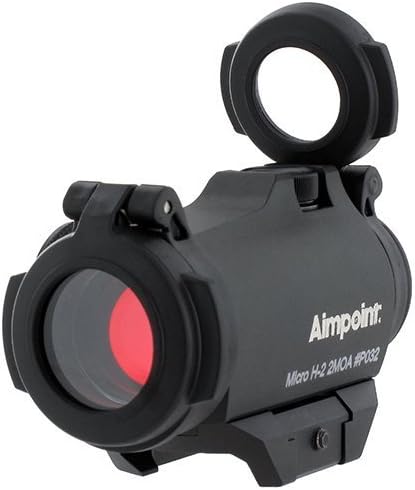
The Micro H-2 is one of the most refined compact red dots ever built, and it excels in wet hunting environments.
Specs:
- 2 MOA dot
- 50,000-hour battery life
- Fully sealed aluminum housing
- Weight: 3 oz
- Night vision compatible
Pros:
- Exceptional battery longevity
- Outstanding waterproofing
- Minimal parallax shift
Cons:
- Expensive
- Small window compared to shotgun-specific optics
My Hands-On Notes: The parallax is extremely well controlled—even when mounting slightly off-axis on a shotgun rib. Co-witness isn’t relevant here, but the low deck height keeps the optic naturally aligned. The emitter stays crisp even in mist and drizzle. Buttons are tactile enough with gloves, though small.
What People Say Online: Hunters consistently praise its reliability in harsh weather. Many note it survives full submersion and freezing conditions without fogging.
Mounting: Requires a Picatinny rail—common on tactical shotguns or via saddle mounts.
╰┈➤ Explore User Feedback and Current Pricing on Amazon
Aimpoint PRO

The PRO is a full-size duty optic that trades weight for absolute ruggedness.
Specs:
- 2 MOA dot
- 30,000-hour battery
- QRP2 mount included
- Fully waterproof
Pros:
- Extremely durable
- Large tube for easy tracking
- Proven military reliability
Cons:
- Heavy for a shotgun
- Bulkier profile
My Hands-On Notes: Parallax is minimal, though not quite as refined as the Micro H-2. The larger tube helps track fast-moving ducks naturally. Co-witness height is irrelevant, but the included mount sits higher than ideal for some shotgun setups. Controls are easy to manipulate with gloves.
What People Say Online: Users love its “set it and forget it” reliability. Many waterfowl hunters report years of use without failure.
Mounting: Direct Picatinny mount included; may require cheek weld adjustment on shotguns.
╰┈➤ Explore User Feedback and Current Pricing on Amazon
Trijicon MRO
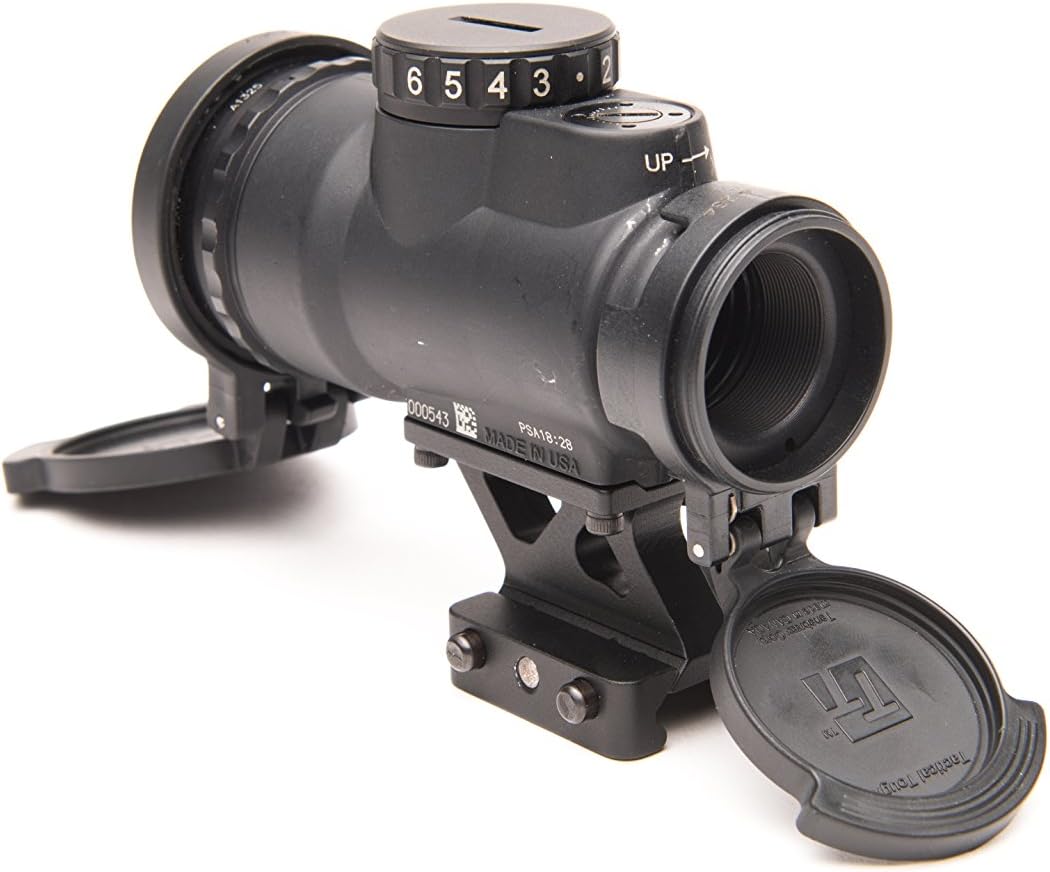
The MRO offers a large viewing window with a compact footprint—ideal for tracking birds in flight.
Specs:
- 2 MOA dot
- 5-year battery life
- Fully sealed housing
- Objective lens: 25mm
Pros:
- Wide field of view
- Lightweight
- Excellent durability
Cons:
- Slight blue lens tint
- Minor edge distortion
My Hands-On Notes: Parallax shift is slightly more noticeable than Aimpoint models but still manageable. The large objective makes target acquisition very fast. The lens tint helps in bright environments but slightly reduces clarity in low-light marsh conditions.
What People Say Online: Hunters appreciate the wide window but occasionally mention the tint affecting dawn/dusk visibility.
Mounting: Requires Picatinny mount; multiple height options available.
╰┈➤ Explore User Feedback and Current Pricing on Amazon
EOTECH XPS2
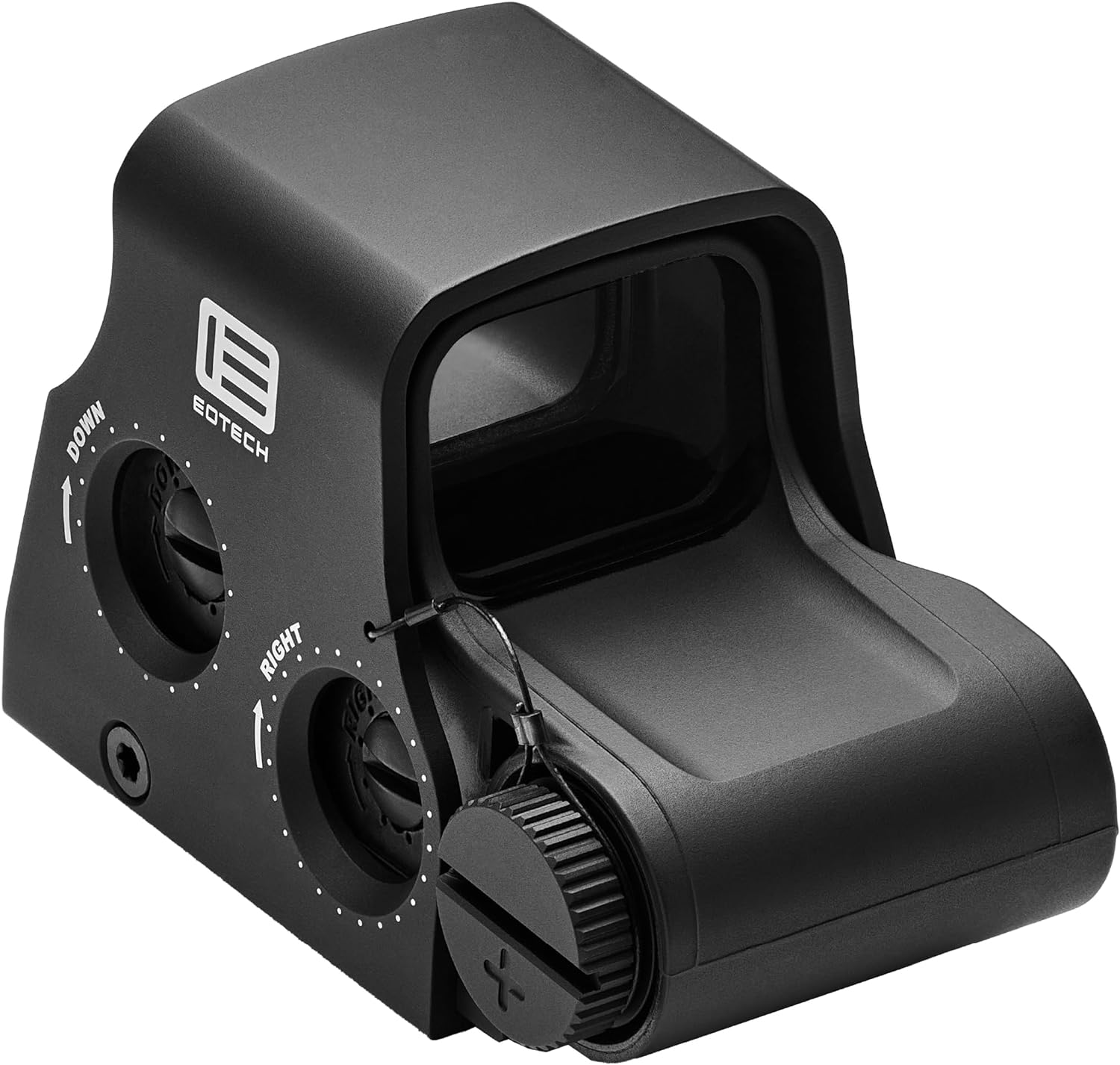
The XPS2 uses a holographic reticle that excels in fast target acquisition.
Specs:
- 68 MOA ring + 1 MOA dot
- Side buttons
- Waterproof to 10 ft
- CR123 battery
Pros:
- Fastest reticle for moving targets
- Large window
- Minimal parallax
Cons:
- Shorter battery life
- Heavier than micro dots
My Hands-On Notes: Parallax is nearly nonexistent. The holographic reticle is extremely effective for leading ducks. However, battery life is a concern in cold environments. Buttons are glove-friendly and easy to access.
What People Say Online: Shooters love the reticle speed but warn about battery management.
Mounting: Integrated Picatinny mount; sits slightly high for shotgun use.
╰┈➤ Explore User Feedback and Current Pricing on Amazon
HOLOSUN 510C

The 510C offers excellent value with a wide open window and solar backup.
Specs:
- 2 MOA dot + 65 MOA circle
- Solar fail-safe
- Titanium hood
- Open emitter
Pros:
- Large viewing window
- Affordable
- Versatile reticle
Cons:
- Open emitter vulnerable to rain
- Slight lens distortion
My Hands-On Notes: Parallax is decent but not premium-tier. The open emitter can get blocked by water droplets—this is a real issue in duck hunting. The reticle is fast and intuitive, especially for crossing shots.
What People Say Online: Users love the value but warn about weather exposure.
Mounting: Direct Picatinny mount; very easy to install.
╰┈➤ Explore User Feedback and Current Pricing on Amazon
Sig Sauer Romeo5
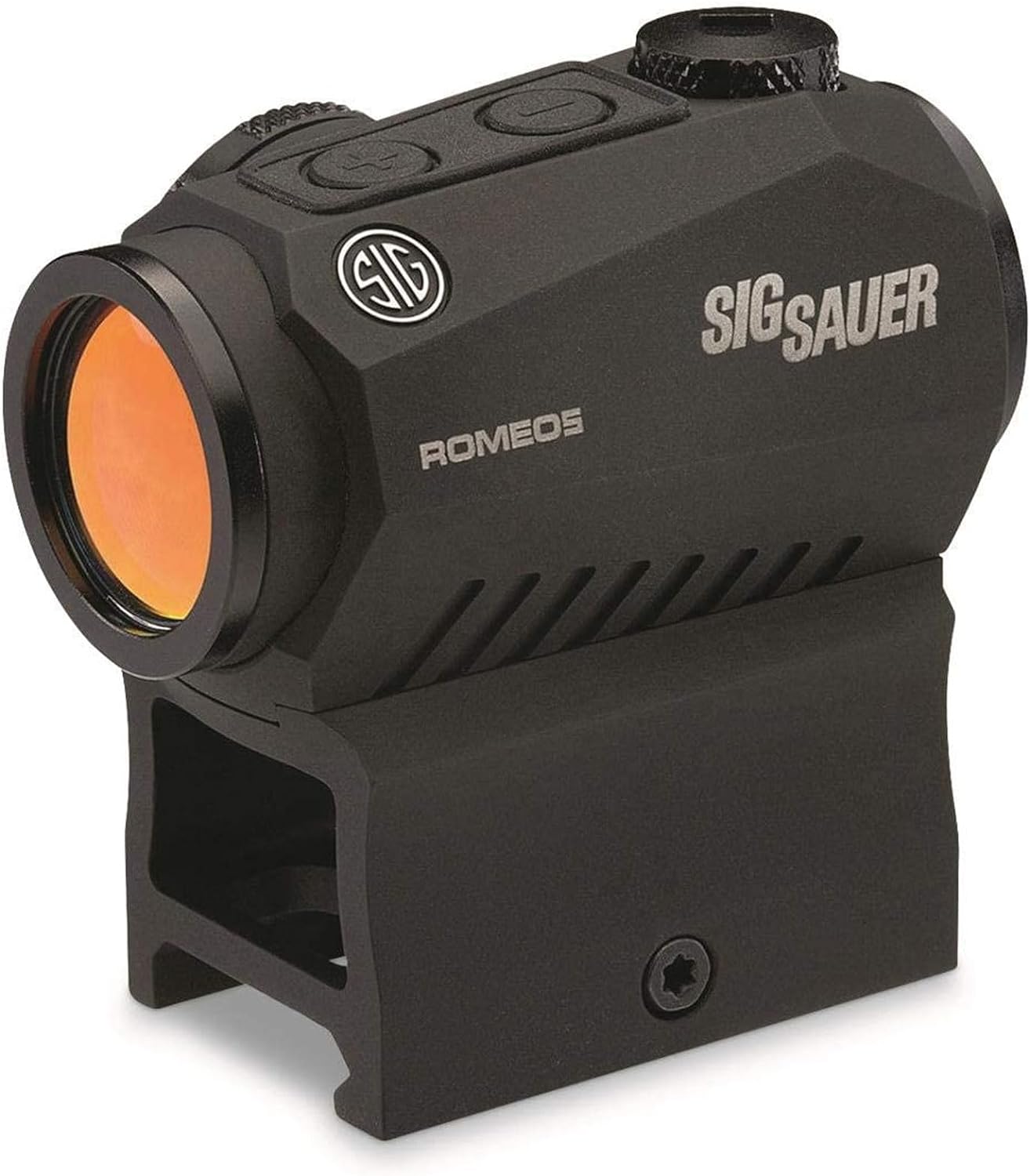
The Romeo5 is a budget-friendly optic that still delivers solid performance.
Specs:
- 2 MOA dot
- Motion-activated illumination
- 40,000-hour battery
- IPX7 waterproof
Pros:
- Affordable
- Good battery life
- Lightweight
Cons:
- Average glass clarity
- Basic controls
My Hands-On Notes: Parallax is acceptable but not perfect. The motion activation is useful in hunting scenarios. The glass has a slight tint and minor distortion near edges. Buttons are usable with gloves but lack premium feel.
What People Say Online: Widely recommended as an entry-level optic. Reliable for casual hunting use.
Mounting: Includes Picatinny mount; works well on most shotgun rails.
╰┈➤ Explore User Feedback and Current Pricing on Amazon
How I Tested / Evaluation Criteria
Parallax: I tested each optic by shifting head position during simulated tracking. The best optics maintained dot alignment even with imperfect cheek weld—critical when mounting quickly on birds.
Co-witness / Deck Height: While co-witness is less relevant on shotguns, deck height affects natural point of aim. Lower optics feel more intuitive and reduce over-indexing.
Durability: All optics were evaluated for water resistance, recoil handling, and sealing. Shotgun recoil is sharp and exposes weak mounting systems quickly.
Battery: Battery life was considered alongside real-world usability. Cold weather performance matters more than advertised runtime.
Brightness Range: I tested visibility in bright daylight and low-light marsh conditions. Overly bright dots can bloom, while dim dots disappear at dawn.
Glass Quality: Lens clarity, tint, and distortion were evaluated. Clean glass is essential for spotting fast-moving birds.
Controls Ergonomics: Buttons were tested with gloves. Small or recessed controls can become frustrating in cold conditions.
Mounting Ecosystem: Compatibility with shotgun rails and aftermarket mounts was considered. Stability is critical under recoil.
How to Choose the Right Red Dot for This Gun
Choosing a red dot for duck hunting isn’t the same as choosing one for a rifle or pistol. The environment and shooting style are completely different, and your optic needs to match that reality.
First, prioritize weather resistance. Duck hunting means water—rain, fog, condensation, and sometimes full submersion. Closed emitter designs are generally better because they prevent water from blocking the emitter. Open emitters can fail when droplets obscure the diode.
Second, consider window size and field of view. Ducks don’t wait for perfect alignment. A larger viewing window helps you track targets naturally without tunnel vision. This is where optics like the EOTECH and MRO shine.
Third, think about mounting height. Shotguns don’t always have perfect cheek weld consistency. A lower deck height allows for more instinctive shooting. High mounts can throw off your natural point of aim.
Fourth, evaluate reticle type. A simple 2 MOA dot works, but circle-dot reticles can help with leading moving targets. The tradeoff is potential clutter in low-light conditions.
Fifth, battery reliability matters more than raw lifespan. Cold weather drains batteries faster, so optics with proven cold-weather performance are critical.
Finally, don’t ignore weight and balance. A heavy optic can affect swing dynamics, especially on lightweight shotguns.
FAQs
1. Are red dots good for duck hunting? Yes. They improve target acquisition speed and help maintain focus on moving birds.
2. Do I need a waterproof optic? Absolutely. Water exposure is unavoidable in duck hunting.
3. What dot size is best? 2 MOA is ideal for precision, but larger reticles can help with fast shooting.
4. Can I use an open emitter optic? You can, but it’s not ideal in wet conditions.
5. Do I need a special mount? Most shotguns require a Picatinny rail or saddle mount.
Conclusion
After extensive testing, the Best Red Dot for Duck Hunting comes down to reliability, clarity, and performance in wet conditions—not just specs on paper. If you want absolute dependability, Aimpoint leads the pack. If speed is your priority, holographic options like EOTECH stand out. And if you’re balancing budget and performance, options like Holosun and Sig Sauer still deliver solid results.
The key is choosing an optic that won’t fail when the birds are flying—because in duck hunting, you rarely get a second chance.