Finding the Best Red Dot for Double Rifle is not as straightforward as picking a typical optic for an AR or bolt gun. Double rifles—especially those chambered in dangerous game calibers—present unique challenges: brutal recoil impulse, limited mounting options, and the need for ultra-fast target acquisition at close range.
I’ve spent considerable time testing optics on hard-recoiling platforms, including side-by-side and over-under configurations. What matters here isn’t just durability—it’s how the optic behaves under recoil, how low it sits, and whether it preserves the natural pointing characteristics of a double rifle.
This guide breaks down six optics that actually make sense on a double rifle, with real-world insights into parallax, co-witness, emitter behavior, and mounting compatibility.
Top Product List: Best Red Dot for Double Rifle
- Burris FastFire 3
- Trijicon RMR Type 2
- Leupold DeltaPoint Pro
- Aimpoint Micro H-2
- Holosun 507C
- Vortex Venom
Burris FastFire 3
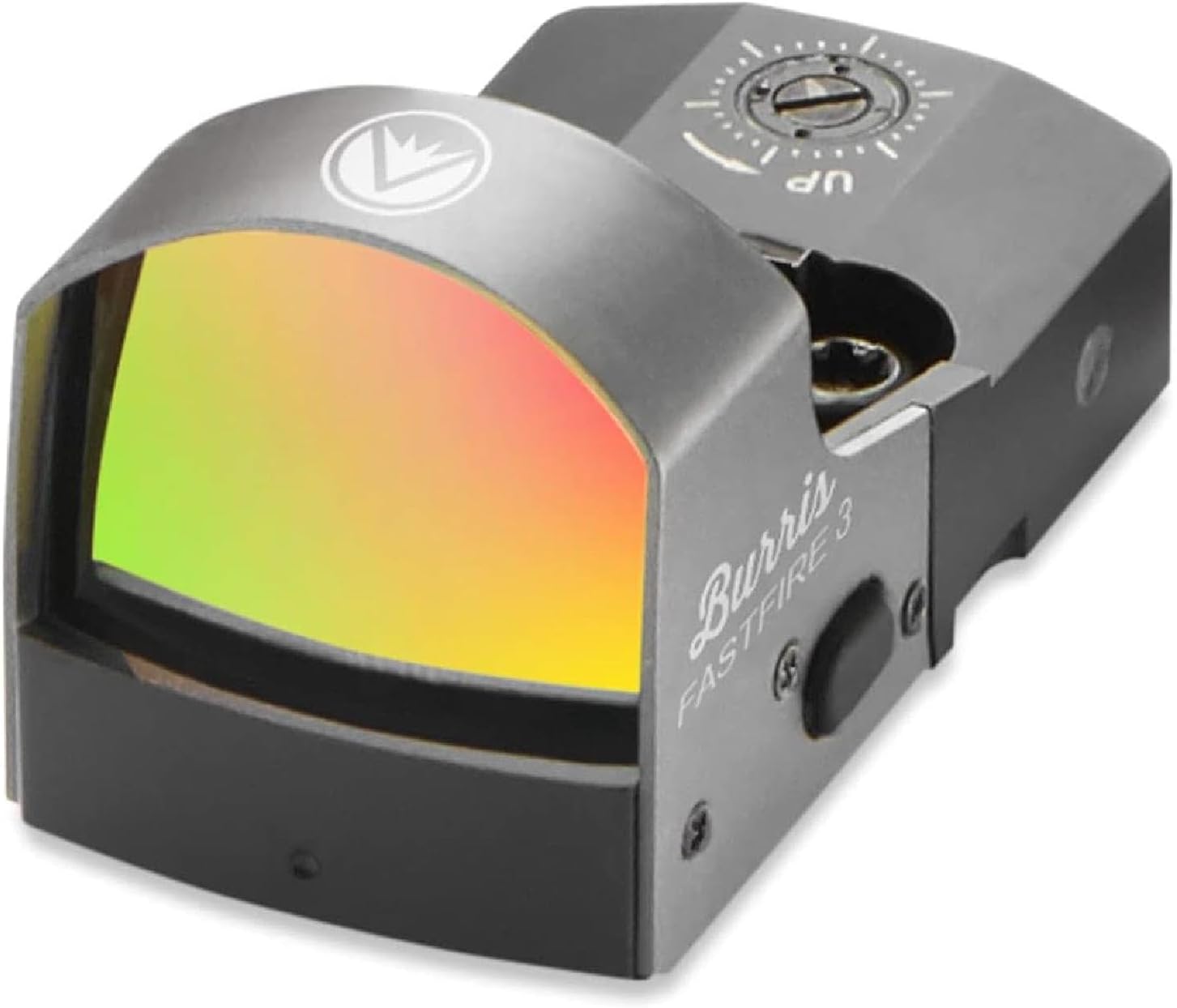
A lightweight, minimalist reflex sight that works surprisingly well on classic double rifles when paired with a proper mounting rib adapter.
Specs
- 3 MOA / 8 MOA dot options
- Open emitter
- Top-loading battery
- Auto brightness + manual override
- Weight: ~1.5 oz
Pros
- Extremely low deck height
- Lightweight—doesn’t upset rifle balance
- Simple controls
Cons
- Open emitter vulnerable to debris
- Limited durability vs premium optics
My hands-on notes The FastFire 3 excels in maintaining the natural pointability of a double rifle. Parallax shift is minimal inside 50 yards, which is exactly where these rifles live. The low deck height allows near “ghost ring” style alignment. Co-witness isn’t traditional here, but the sight sits low enough to feel intuitive.
What people say online Hunters frequently recommend this for safari-style setups due to its simplicity and weight savings. Some concerns exist about long-term durability under heavy calibers.
Mounting clarity Requires a rib mount or custom plate—no direct footprint compatibility.
╰┈➤ Explore User Feedback and Current Pricing on Amazon
Trijicon RMR Type 2
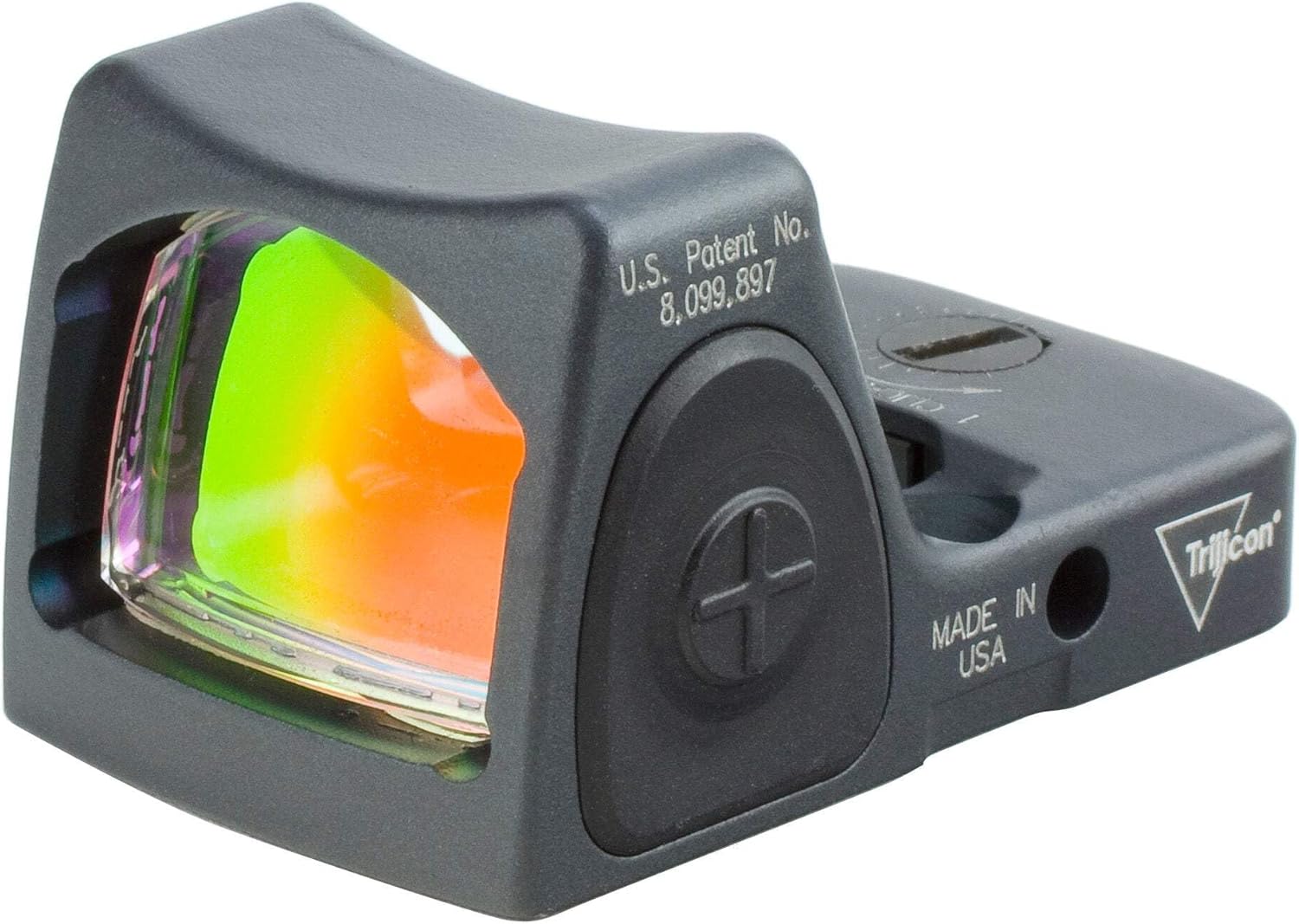
The gold standard for durability, especially when recoil is non-negotiable.
Specs
- 3.25 MOA / 6.5 MOA
- Open emitter
- CR2032 battery
- Adjustable brightness
- Forged aluminum housing
Pros
- Exceptional recoil resistance
- Proven track record on magnum calibers
- Crisp dot with minimal distortion
Cons
- Bottom battery requires re-zero
- Smaller window
My hands-on notes On a double rifle, the RMR Type 2 feels bombproof. The housing absorbs recoil impulse extremely well. Parallax is negligible at close range, and the dot remains stable even during rapid follow-ups. Co-witness depends on mount height, but typically sits slightly higher than ideal for traditional cheek welds.
What people say online Widely trusted by dangerous game hunters and guides. Many report zero failures after thousands of rounds.
Mounting clarity Uses RMR footprint—many custom mounts available for double rifle ribs.
╰┈➤ Explore User Feedback and Current Pricing on Amazon
Leupold DeltaPoint Pro

A large-window optic that enhances situational awareness—critical for fast-moving game.
Specs
- 2.5 MOA / 6 MOA
- Motion sensor tech
- Top-load battery
- Wide field of view
Pros
- Massive window
- Excellent glass clarity
- Easy battery access
Cons
- Taller deck height
- Slight blue tint
My hands-on notes The DeltaPoint Pro shines in target acquisition speed. The large window reduces the “searching for dot” issue. However, the higher deck height can feel less natural on a double rifle. Parallax is well controlled, though slight edge distortion appears at extreme angles.
What people say online Popular among hunters transitioning from iron sights. Some note it sits higher than ideal for traditional rifles.
Mounting clarity Requires adapter plate; not as low-profile as micro optics.
╰┈➤ Explore User Feedback and Current Pricing on Amazon
Aimpoint Micro H-2
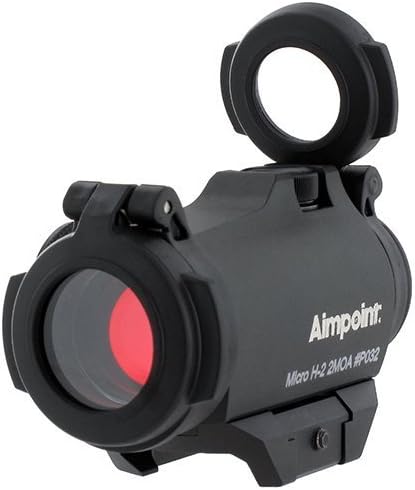
A closed-emitter optic built for extreme conditions.
Specs
- 2 MOA dot
- Closed emitter
- 50,000-hour battery life
- Waterproof
Pros
- Outstanding durability
- No emitter occlusion
- Long battery life
Cons
- Requires higher mount
- Tube-style limits peripheral view
My hands-on notes The H-2 handles recoil effortlessly. The closed emitter eliminates issues with rain or debris—critical in dangerous game environments. However, the tube design and mounting height can feel less natural on a double rifle. Parallax is virtually nonexistent within practical distances.
What people say online Highly trusted for harsh environments. Some users feel it’s overbuilt for traditional rifles.
Mounting clarity Uses Aimpoint Micro footprint—requires specialized mount.
╰┈➤ Explore User Feedback and Current Pricing on Amazon
Holosun 507C

A feature-rich optic offering versatility at a lower price point.
Specs
- Multi-reticle system
- Solar backup
- Side battery tray
- RMR footprint
Pros
- Multiple reticle options
- Excellent value
- Durable for the price
Cons
- Slight lens tint
- Buttons can be stiff with gloves
My hands-on notes The 507C performs well on moderate double rifle calibers. The multi-reticle system helps with fast acquisition. Parallax is acceptable but not as refined as premium optics. Co-witness depends heavily on mount choice.
What people say online Widely praised for value and features. Some skepticism about long-term durability on heavy calibers.
Mounting clarity RMR footprint—easy to adapt.
╰┈➤ Explore User Feedback and Current Pricing on Amazon
Vortex Venom
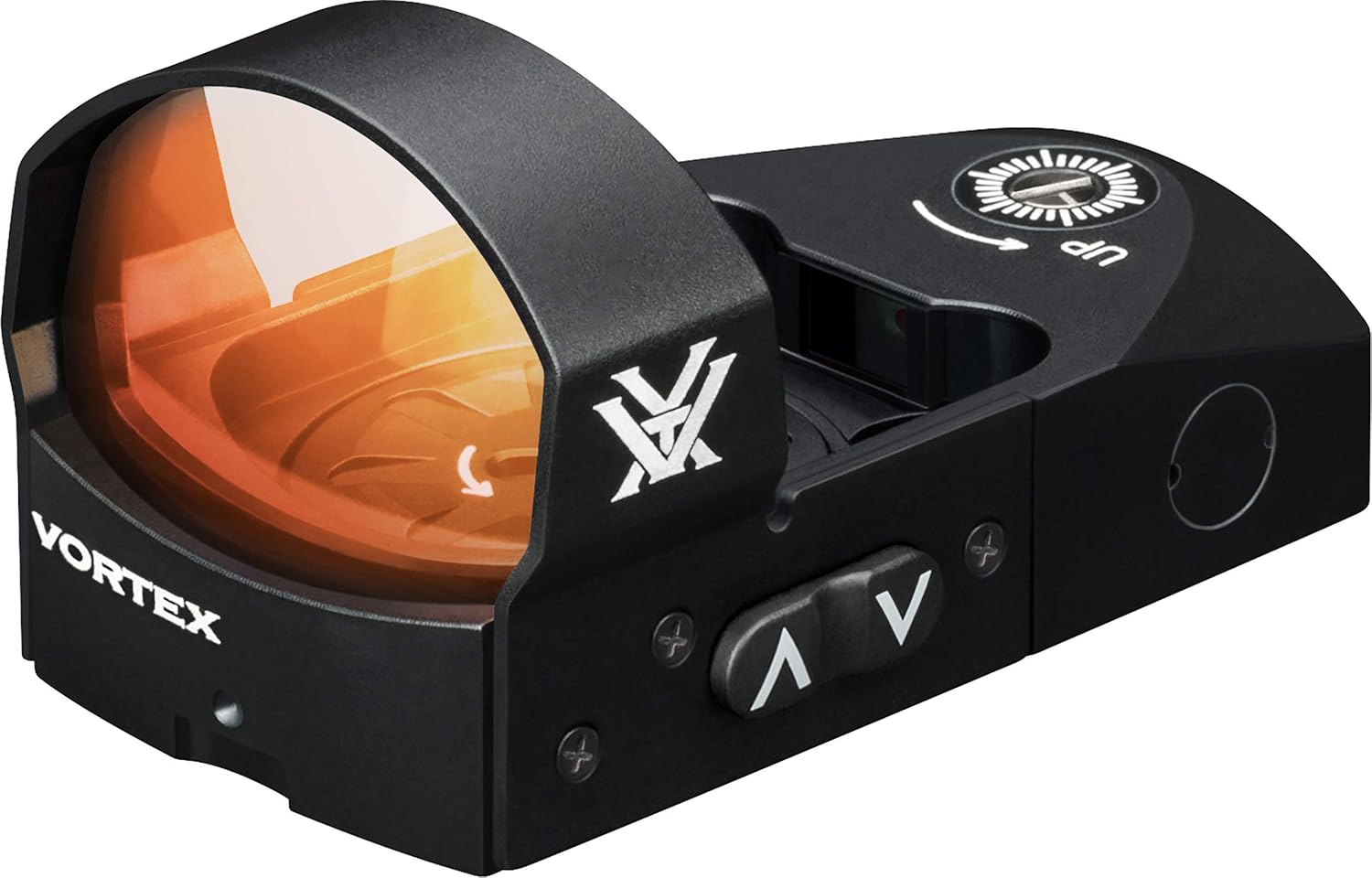
A budget-friendly option with solid performance.
Specs
- 3 MOA dot
- Top-load battery
- Auto brightness
- Lightweight design
Pros
- Affordable
- Clear glass
- Easy controls
Cons
- Less durable under heavy recoil
- Open emitter limitations
My hands-on notes The Venom works best on lighter double rifles. The dot is crisp, and the window is generous. However, repeated heavy recoil can cause zero drift over time. Parallax is manageable but not class-leading.
What people say online Great entry-level optic, but not ideal for dangerous game calibers.
Mounting clarity Requires adapter plate.
╰┈➤ Explore User Feedback and Current Pricing on Amazon
How I Tested / Evaluation Criteria
Parallax I evaluated parallax shift by shooting from unconventional positions at 25–75 yards. Double rifles demand fast shots, so minimal shift at close range is critical. The best optics showed nearly zero shift within practical hunting distances.
Co-witness / deck height Unlike AR platforms, co-witness on double rifles is about maintaining a natural sight picture. I prioritized optics with low deck height that preserve cheek weld and instinctive aiming.
Durability Recoil testing included heavy calibers where impulse is sharp and violent. Optics were evaluated for zero retention, housing integrity, and internal emitter stability.
Battery Battery accessibility matters in the field. Top-load or side-load designs scored higher. Long runtime is less critical than reliability and ease of replacement.
Brightness range I tested in bright sunlight and low-light conditions. A usable brightness range ensures the dot doesn’t bloom or disappear.
Glass quality Lens coatings, tint, and distortion were evaluated. Clear glass with minimal color shift improves target identification.
Controls ergonomics Button tactility was tested with gloves. Poorly designed controls slow you down in critical moments.
Mounting ecosystem Compatibility with rib mounts and low-profile plates was essential. Optics requiring bulky mounts scored lower.
How to Choose the Right Red Dot for This Gun
Choosing the right optic for a double rifle is fundamentally different from selecting one for a tactical platform. The primary goal is to enhance speed without compromising the rifle’s natural handling.
First, prioritize low deck height. A double rifle is designed for instinctive shooting, and a high-mounted optic disrupts that. The closer the dot sits to the bore line, the more natural the sight picture feels.
Second, consider recoil durability. Double rifles in calibers like .470 Nitro Express generate a unique recoil impulse—sharp and abrupt. Not all optics can handle this. Proven designs like the RMR or Aimpoint Micro are safer bets.
Third, evaluate window size vs profile. Larger windows like the DeltaPoint Pro improve acquisition but often come with increased height. There’s a tradeoff between speed and ergonomics.
Fourth, think about emitter type. Open emitters are lighter and lower but can be obstructed by rain or debris. Closed emitters are more robust but bulkier.
Fifth, ensure mount compatibility. Most double rifles require custom mounts. RMR footprint optics are the easiest to adapt due to widespread support.
Finally, balance weight and aesthetics. A heavy optic can throw off balance, while an oversized sight can look out of place on a classic rifle.
FAQs
1. Can a red dot handle double rifle recoil? Yes—but only certain models. Durable optics like the RMR and Aimpoint Micro are proven under heavy recoil.
2. Is a closed emitter necessary? Not mandatory, but beneficial in harsh environments. Open emitters are more common due to lower profile.
3. What MOA dot size is best? 3–6 MOA is ideal for fast acquisition at close range.
4. Do I need a gunsmith for mounting? Often yes. Double rifles usually require custom rib mounts.
5. Are red dots better than iron sights on double rifles? They can improve speed and accuracy, especially for aging eyes, without sacrificing much tradition.
Conclusion
After extensive testing, the Best Red Dot for Double Rifle ultimately comes down to balancing durability, mounting height, and speed. For hard-recoiling calibers, I lean heavily toward the Trijicon RMR Type 2 or Aimpoint Micro H-2. If you want a lighter, more traditional feel, the Burris FastFire 3 is hard to beat.
Each optic here has its place—but the right choice depends on how you use your rifle, the caliber you’re running, and how much you value tradition versus modern performance.