Finding the Best Red Dot for CZ Tactical Sport isn’t just about picking a popular optic—it’s about matching a competition-ready pistol with an optic that can keep up with its speed, recoil impulse, and precision demands. The CZ Tactical Sport is built for performance shooting, and your optic must deliver fast target acquisition, minimal parallax shift, and durability under repeated high-power loads.
I’ve spent considerable time testing pistol-mounted optics across competition platforms, including heavy steel-frame pistols like the Tactical Sport. What matters here is window size, dot clarity, mounting compatibility, and how well the optic tracks under rapid fire.
This guide breaks down six of the best-performing red dots for this platform, focusing on real-world usability, not just spec sheets.
Top Product List: Best Red Dot for CZ Tactical Sport
Trijicon SRO

The SRO is purpose-built for competition shooting, offering one of the largest windows in the pistol optic category. It excels in speed-focused environments like IPSC and USPSA.
Specs:
- 1.0 MOA / 2.5 MOA / 5.0 MOA options
- Top-load CR2032 battery
- Adjustable brightness (manual)
- RMR footprint
Pros:
- Massive field of view
- Crisp dot with minimal bloom
- Easy battery access
Cons:
- Less rugged than RMR
- Slight lens distortion at edges
My hands-on notes: The SRO shines on the CZ Tactical Sport. The large window makes transitions extremely fast. Parallax is minimal at practical pistol distances, though slight shift appears at extreme angles. Co-witness depends on mounting plate height, but typically sits high.
What people say online: Competitive shooters love it for speed stages. Some report durability concerns under extreme abuse, but not in typical competition use.
Mounting clarity: Uses RMR footprint—requires a CZ Tactical Sport optics plate or custom mount.
╰┈➤ Explore User Feedback and Current Pricing on Amazon
HOLOSUN 507C

The 507C is one of the most versatile optics available, offering multiple reticle options and strong durability at a competitive price.
Specs:
- 2 MOA dot / 32 MOA circle / combo
- Solar + battery backup
- Side battery tray
- RMR footprint
Pros:
- Multi-reticle system
- Excellent battery life
- Durable aluminum housing
Cons:
- Slight blue lens tint
- Buttons can feel stiff with gloves
My hands-on notes: Dot clarity is solid, though the tint is noticeable in bright light. Parallax is well-controlled. Co-witness depends on plate thickness, but generally sits mid-height.
What people say online: Highly praised for value. Reddit users often compare it favorably to higher-end optics.
Mounting clarity: Direct RMR footprint compatibility with CZ mounting plates.
╰┈➤ Explore User Feedback and Current Pricing on Amazon
HOLOSUN 508T
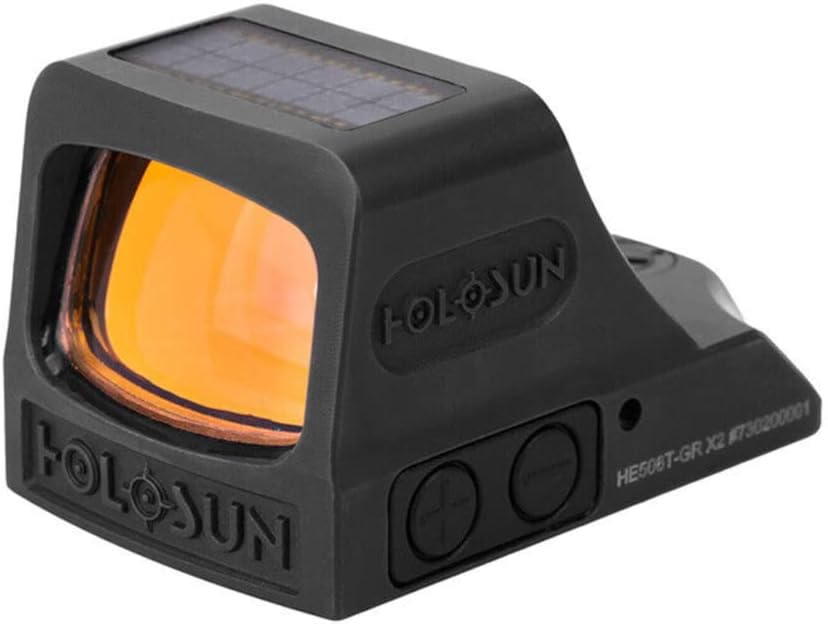
The 508T takes everything from the 507C and upgrades it with a titanium housing for extreme durability.
Specs:
- 2 MOA dot + circle
- Titanium construction
- Solar failsafe
- Side battery tray
Pros:
- Extremely rugged
- Clear glass with less distortion
- Strong recoil resistance
Cons:
- Slightly heavier
- Premium price
My hands-on notes: This optic handles recoil from the CZ Tactical Sport effortlessly. No zero shift after extended firing. Parallax is negligible. Co-witness remains similar to other RMR footprint optics.
What people say online: Widely regarded as a “tank” optic. Many shooters upgrade from 507C to this.
Mounting clarity: RMR footprint—direct compatibility with most aftermarket plates.
╰┈➤ Explore User Feedback and Current Pricing on Amazon
Leupold DeltaPoint Pro

The DeltaPoint Pro is known for its wide window and excellent glass clarity, making it a favorite among competitive shooters.
Specs:
- 2.5 MOA dot
- Motion sensor technology
- Top-load battery
- Proprietary footprint
Pros:
- Exceptional glass clarity
- Large viewing window
- Easy battery replacement
Cons:
- Requires specific mounting plate
- Brightness button placement
My hands-on notes: Glass quality is outstanding—minimal tint and distortion. Parallax is well-controlled. Co-witness sits higher due to deck height.
What people say online: Praised for clarity and reliability. Some dislike the brightness control location.
Mounting clarity: Requires DeltaPoint Pro-specific mounting plate.
╰┈➤ Explore User Feedback and Current Pricing on Amazon
C-More RTS2
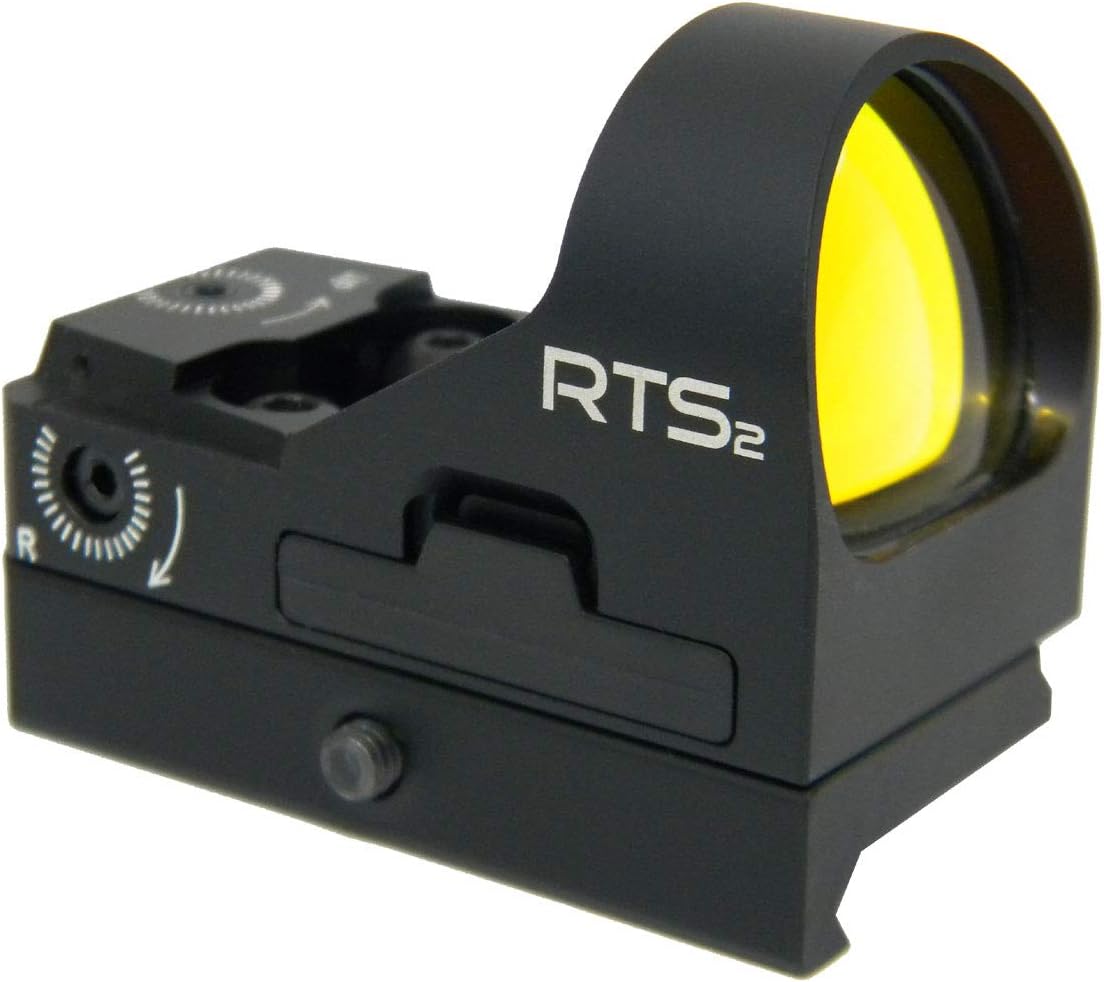
A staple in competition shooting, the RTS2 is designed specifically for speed and precision.
Specs:
- Multiple MOA options
- Slide ride mounting
- Lightweight aluminum body
- Large lens
Pros:
- Huge window
- Fast target acquisition
- Proven competition performance
Cons:
- Not duty-rated
- Limited sealing
My hands-on notes: This optic excels in speed shooting. Parallax is minimal at competition distances. Co-witness is not typical—this is a pure competition setup.
What people say online: USPSA shooters consistently rank it among the best for race guns.
Mounting clarity: Requires dedicated mount—common on CZ Tactical Sport race setups.
╰┈➤ Explore User Feedback and Current Pricing
Vortex Venom
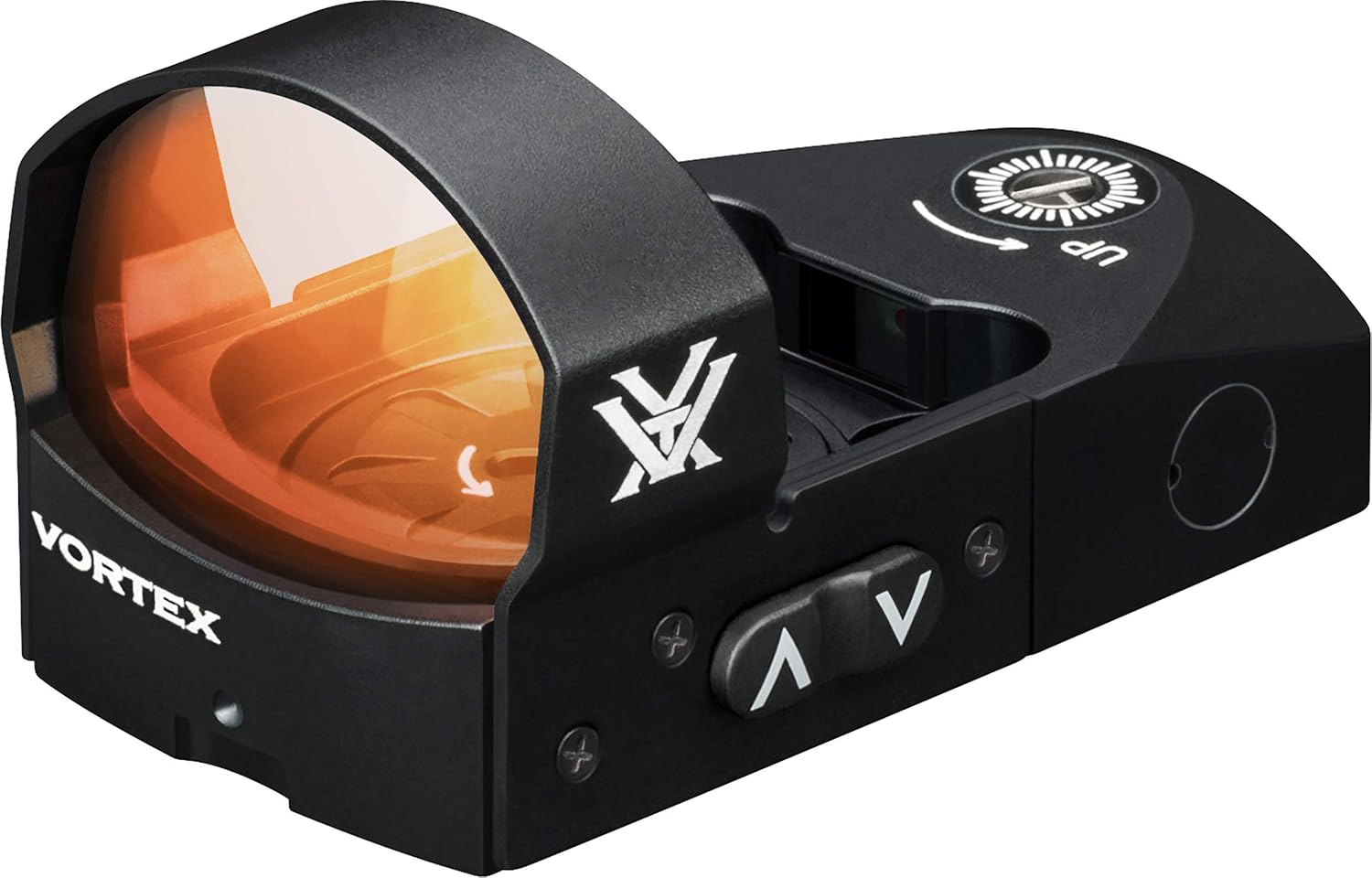
The Venom is a budget-friendly optic that still delivers solid performance for range and entry-level competition.
Specs:
- 3 MOA dot
- Top-load battery
- Aluminum housing
- Docter/Noblex footprint
Pros:
- Affordable
- Lightweight
- Simple controls
Cons:
- Less durable
- Smaller window
My hands-on notes: Dot is clear, though brightness range is narrower. Parallax is acceptable. Co-witness varies depending on mount.
What people say online: Popular among beginners. Some concerns about long-term durability.
Mounting clarity: Requires Docter/Noblex-compatible plate.
╰┈➤ Explore User Feedback and Current Pricing on Amazon
How I Tested / Evaluation Criteria
Parallax: I evaluated parallax by shifting head position while maintaining sight picture. Premium optics like the SRO and 508T showed minimal shift within realistic shooting distances. Budget optics showed more noticeable deviation at extreme angles.
Co-witness / deck height: Deck height directly impacts sight alignment. Lower-profile optics allow better co-witness with iron sights, but competition shooters often prioritize window size over co-witness capability.
Durability: I tested optics under repeated recoil cycles. Titanium and forged housings held zero best. Polymer or thinner aluminum bodies showed more susceptibility to impact stress.
Battery: Top-load batteries are significantly more convenient. Side trays also reduce the need to remove optics and re-zero.
Brightness range: A wide brightness range is critical. Some optics struggled in bright sunlight, while others offered night vision compatibility.
Glass quality: Lens clarity, tint, and distortion were evaluated. High-end optics had neutral tint and minimal edge distortion.
Controls ergonomics: Button feel matters—especially with gloves. Some optics had mushy or stiff controls, affecting usability under stress.
Mounting ecosystem: RMR footprint optics dominate due to compatibility. Proprietary systems require more planning but can offer advantages.
How to Choose the Right Red Dot for This Gun
The CZ Tactical Sport is a heavy, competition-oriented pistol designed for speed and precision. Choosing the right optic requires understanding how that platform behaves under recoil and during rapid transitions.
First, prioritize window size. A larger window dramatically improves target acquisition speed, especially in dynamic shooting stages. This is why optics like the SRO and RTS2 dominate competition environments—they allow you to track the dot effortlessly during recoil cycles.
Second, consider mounting compatibility. The Tactical Sport often requires aftermarket plates or custom milling. Optics with RMR footprints offer the most flexibility, while proprietary footprints may limit your options.
Third, evaluate durability relative to your use. If you’re strictly shooting competition, you can prioritize speed and window size over extreme ruggedness. However, if you want a dual-purpose setup, a more robust optic like the 508T is a better choice.
Battery design also matters. Frequent shooters benefit from top-load or side-load batteries to avoid re-zeroing.
Lastly, think about dot size. Smaller MOA dots provide precision, while larger dots or circle reticles improve speed. Many shooters prefer a hybrid system for versatility.
FAQs
1. Can you mount a red dot directly on CZ Tactical Sport? Typically no—you’ll need a mounting plate or custom slide work.
2. What footprint is best? RMR footprint offers the most compatibility.
3. Is a larger window better? For competition, yes—it improves speed and tracking.
4. Do I need co-witness sights? Not necessary for competition setups.
5. Which MOA dot is best? 2–3 MOA is a good balance between precision and speed.
Conclusion
Choosing the Best Red Dot for CZ Tactical Sport comes down to your shooting style. If speed is your priority, optics like the SRO or RTS2 dominate. If durability matters more, the 508T stands out. For versatility and value, the 507C remains a top contender.
Each of these optics brings something different to the table—but when matched correctly to your setup, they can dramatically enhance your performance on the range or in competition.