The Best Red Dot for CZ Scorpion Evo 3 is not just about brand reputation—it’s about finding an optic that complements the platform’s fast handling, low recoil impulse, and compact PCC ergonomics. I’ve spent extensive time running optics on the Scorpion platform, and the truth is: not every red dot works well here. Mount height, window size, and durability under blowback recoil all matter more than most people realize.
The Scorpion’s top Picatinny rail makes mounting easy, but its relatively high bore axis means co-witness height and cheek weld become critical. Add in the fact that this platform excels in rapid transitions and close-quarters shooting, and you quickly see why optic selection matters.
Below are six optics I’ve personally evaluated that consistently perform well on this platform—balancing speed, clarity, and ruggedness.
Top Product List: Best Red Dot for CZ Scorpion Evo 3
Aimpoint Micro T-2
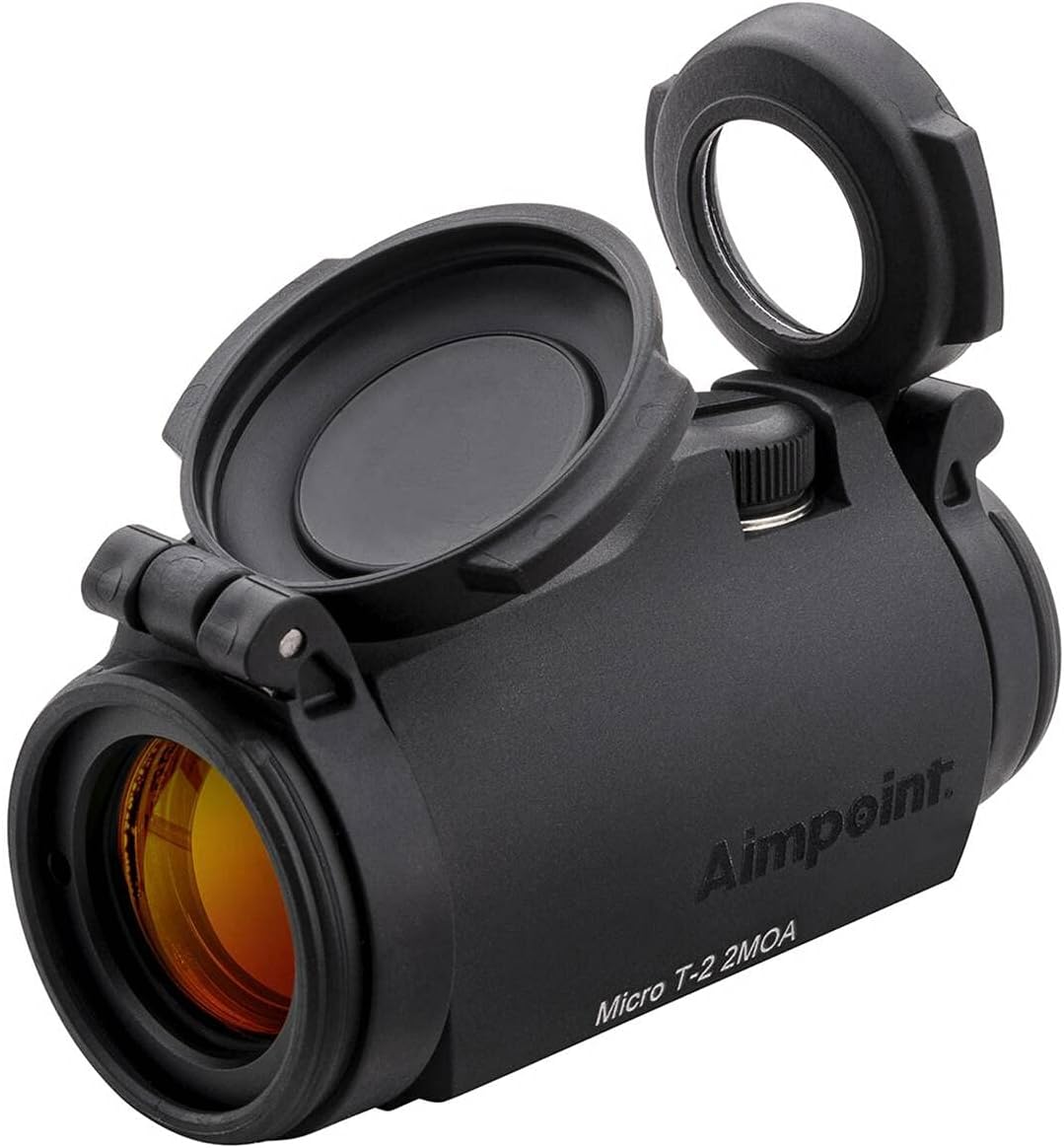
The Micro T-2 is the gold standard for compact red dots, offering unmatched durability and clarity in a micro footprint.
Specs:
- 2 MOA dot
- 50,000-hour battery life
- Night vision compatible
- Micro footprint
Pros:
- Exceptional battery life
- Minimal parallax shift
- Crystal-clear glass with low tint
Cons:
- Expensive
- Small window compared to PCC-focused optics
My hands-on notes: On the Scorpion, the T-2 excels in reliability. Parallax is nearly nonexistent at practical distances, and the dot remains crisp even under fast transitions. Co-witness depends on mount height—lower 1/3 works best here. The small window is noticeable during aggressive shooting, but the tradeoff is durability and precision.
What people say online: Users consistently praise its bombproof construction. Many PCC shooters mention it “just works” no matter the conditions.
Mounting clarity: Direct Picatinny mount required. No plate system needed.
╰┈➤ Explore User Feedback and Current Pricing on Amazon
HOLOSUN 510C

The 510C is one of the fastest optics I’ve used on a PCC, thanks to its large open window.
Specs:
- Multi-reticle system (2 MOA dot / circle)
- Solar backup
- Open emitter design
Pros:
- Huge field of view
- Fast target acquisition
- Multiple reticle options
Cons:
- Open emitter vulnerable to debris
- Slight blue tint
My hands-on notes: This optic shines on the Scorpion. The wide window makes transitions effortless, and the circle-dot reticle speeds up close-range shooting. Parallax is minimal, though slightly more noticeable than premium optics. Co-witness sits comfortably at lower 1/3 with factory riser.
What people say online: Shooters love it for PCC competition. Common feedback highlights speed over durability compared to enclosed optics.
Mounting clarity: Integrated Picatinny mount—no additional hardware required.
╰┈➤ Explore User Feedback and Current Pricing on Amazon
Sig Sauer Romeo5
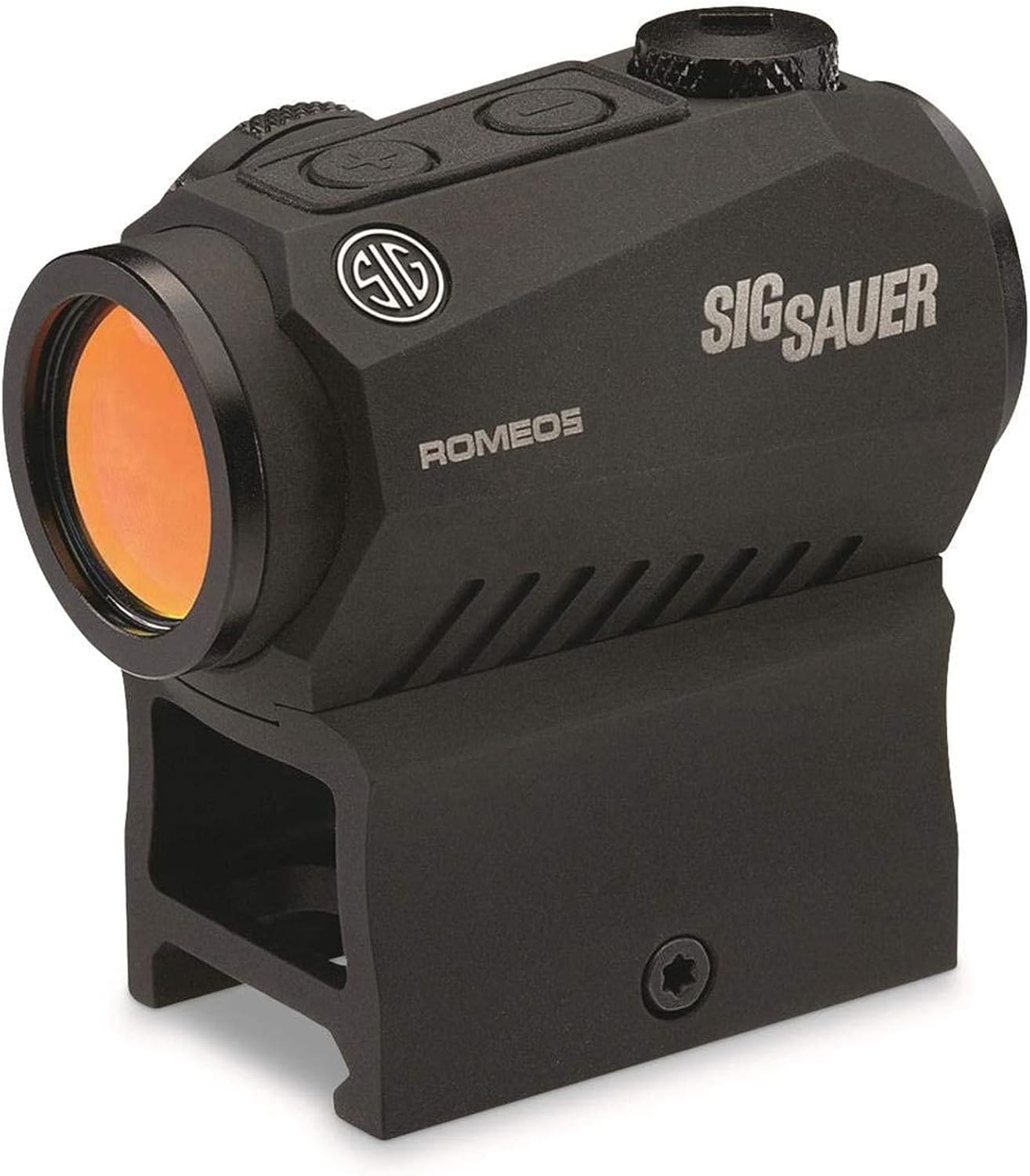
The Romeo5 is one of the best budget-friendly options that still performs reliably.
Specs:
- 2 MOA dot
- MOTAC motion activation
- 40,000-hour battery life
Pros:
- Affordable
- Lightweight
- Motion-sensing auto on/off
Cons:
- Noticeable lens tint
- Buttons feel mushy with gloves
My hands-on notes: On the Scorpion, the Romeo5 holds zero well despite blowback recoil. Parallax is acceptable but not perfect. Co-witness works easily with included mounts. The emitter can show slight occlusion in bright conditions, but it’s manageable.
What people say online: Widely recommended for beginners. Many note it punches above its price point.
Mounting clarity: Includes multiple Picatinny mounts for co-witness flexibility.
╰┈➤ Explore User Feedback and Current Pricing on Amazon
Trijicon MRO
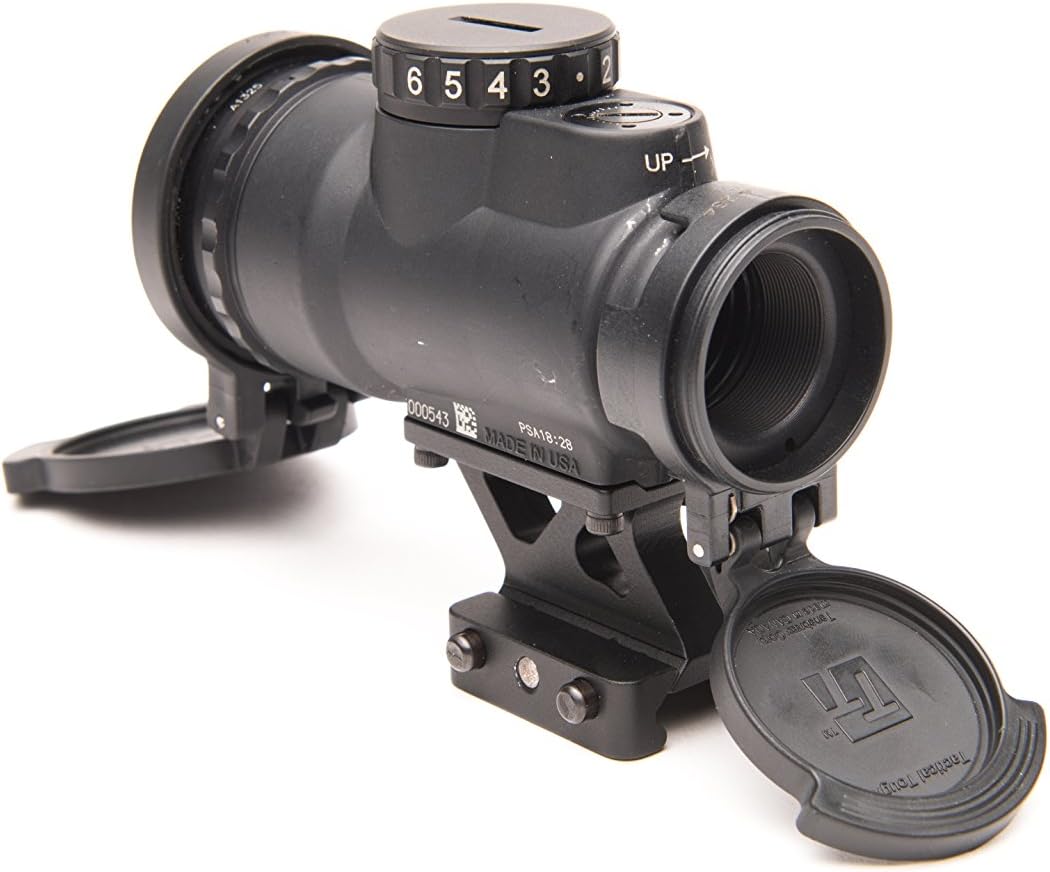
The MRO is built for durability and wide field awareness.
Specs:
- 2 MOA dot
- 5-year battery life
- Large objective lens
Pros:
- Excellent durability
- Wide field of view
- Simple controls
Cons:
- Slight magnification effect
- Edge distortion
My hands-on notes: The MRO pairs well with the Scorpion’s fast shooting style. The larger objective gives a more open sight picture. Parallax is slightly more noticeable than Aimpoint, especially off-axis. Co-witness depends heavily on mount choice.
What people say online: Mixed feedback—some love the ruggedness, others dislike the slight fisheye effect.
Mounting clarity: Requires a separate mount for Picatinny.
╰┈➤ Explore User Feedback and Current Pricing on Amazon
Primary Arms SLX MD-25
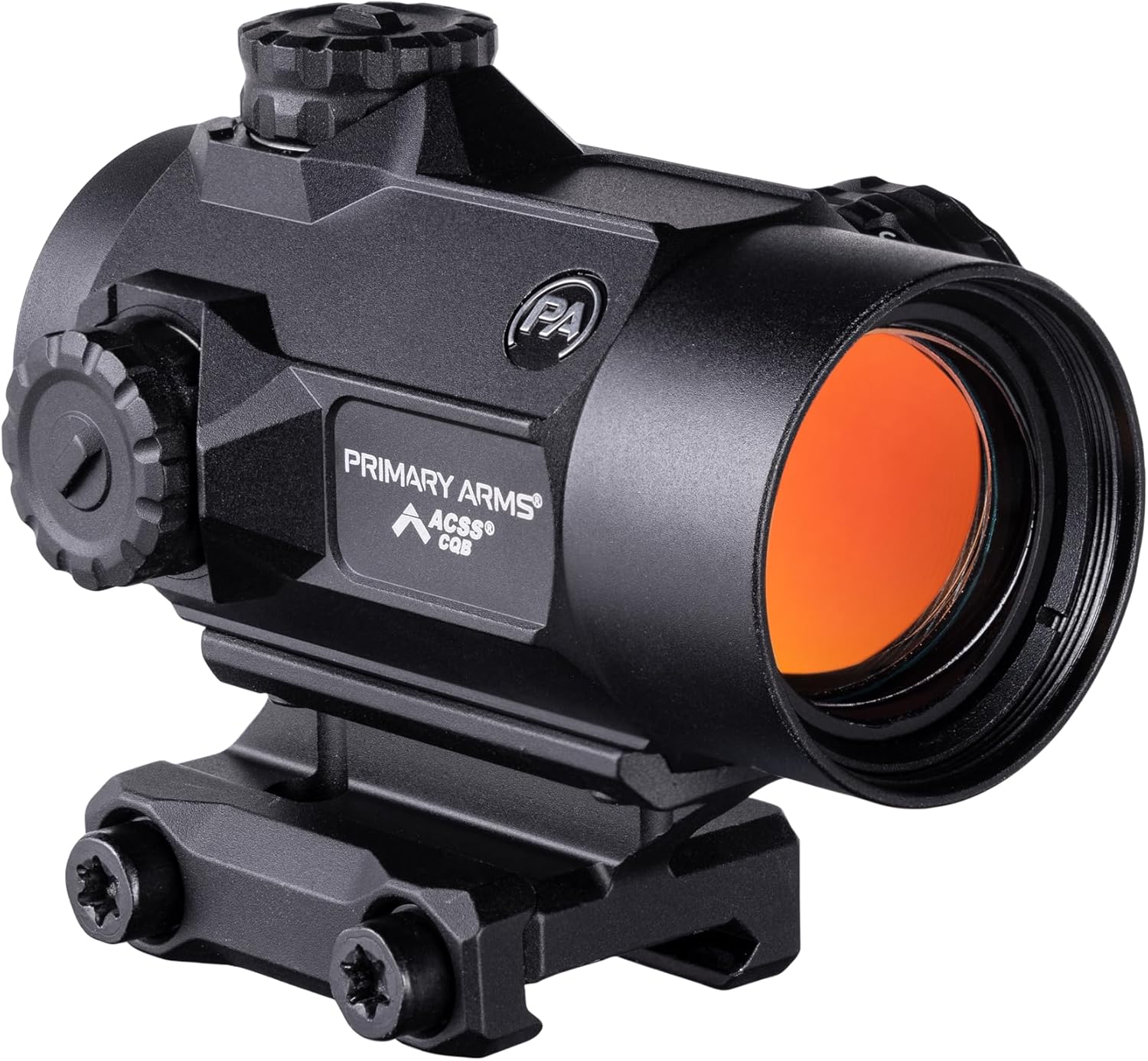
The MD-25 offers a larger 25mm window, making it ideal for PCC use.
Specs:
- 2 MOA dot
- 50,000-hour battery
- 25mm objective lens
Pros:
- Large window
- Affordable performance
- Solid battery life
Cons:
- Slight tint
- Heavier than micro dots
My hands-on notes: This optic balances size and usability perfectly. The larger window improves tracking during recoil cycles. Parallax is well controlled. Co-witness is easy with included mounts, and the deck height works well on the Scorpion.
What people say online: Often praised as a “budget Aimpoint alternative” with better window size.
Mounting clarity: Comes with Picatinny mounts included.
╰┈➤ Explore User Feedback and Current Pricing on Amazon
EOTECH EXPS2

The EXPS2 uses a holographic reticle, offering unmatched speed for close-range shooting.
Specs:
- 68 MOA ring + 1 MOA dot
- Side buttons
- Quick detach mount
Pros:
- Fastest reticle system
- Excellent window clarity
- Durable
Cons:
- Short battery life
- Heavier
My hands-on notes: This is arguably the fastest optic on the Scorpion. The holographic reticle eliminates parallax concerns at realistic distances. Co-witness is lower 1/3 out of the box. The battery compartment is robust, but runtime is limited compared to LED dots.
What people say online: Highly favored for CQB setups. Users accept battery tradeoffs for performance.
Mounting clarity: Integrated QD Picatinny mount.
╰┈➤ Explore User Feedback and Current Pricing on Amazon
How I Tested / Evaluation Criteria
Parallax: I evaluated each optic by shooting from multiple off-axis positions at 10–50 yards. True parallax-free performance is rare, but high-end optics like Aimpoint minimized shift significantly.
Co-witness / deck height: The Scorpion benefits from a lower 1/3 co-witness. I tested multiple mount heights to ensure proper cheek weld and sight alignment.
Durability: Blowback PCCs create a unique recoil impulse. I tested for zero retention after repeated firing cycles and simulated impacts.
Battery: Runtime and battery type matter. I tracked real-world usage and ease of battery replacement, including cap design and sealing.
Brightness range: I tested visibility in bright daylight and low-light environments. NV settings were also evaluated where applicable.
Glass quality: Lens tint, distortion, and coatings were compared side-by-side. Clear glass improves target identification significantly.
Controls ergonomics: Button tactility was tested with and without gloves. Some optics struggled with feedback under pressure.
Mounting ecosystem: I evaluated how easily each optic integrates with standard Picatinny rails and aftermarket mounts.
How to Choose the Right Red Dot for This Gun
Choosing an optic for the CZ Scorpion isn’t just about picking a popular model—it’s about matching the optic to how the platform is actually used. The Scorpion Evo 3 is a blowback-operated PCC, which means it has a sharper recoil impulse than many expect. That alone filters out weaker optics.
First, consider window size. A larger window allows faster transitions and better tracking during recoil. This is why optics like the Holosun 510C or EOTECH EXPS2 feel so natural on this platform. Smaller micro dots work, but they require more discipline to stay on target.
Second, think about mounting height. The Scorpion’s rail sits high relative to the bore, so optics that allow a comfortable lower 1/3 co-witness are ideal. Too low, and your cheek weld suffers. Too high, and you lose stability.
Durability is another major factor. The blowback system creates abrupt rearward impulse, which can loosen mounts or affect zero on lower-quality optics. Always prioritize optics with proven recoil resistance.
Battery system also matters more than most people think. If you’re running a defensive or duty setup, long battery life or motion activation (like MOTAC) is critical. If you’re focused on competition, faster reticles may outweigh battery concerns.
Finally, consider your use case. For home defense or tactical use, enclosed emitters are more reliable. For range and competition, open emitters with larger windows provide speed advantages.
FAQs
1. Is a micro red dot too small for the Scorpion? Not necessarily, but larger windows are generally faster for PCC shooting.
2. Do I need a riser mount? Most setups benefit from a lower 1/3 co-witness, which often requires a riser.
3. Are holographic sights better than red dots? They’re faster at close range but have shorter battery life.
4. Can pistol red dots work on the Scorpion? Yes, but they require adapter plates and are less ideal due to smaller windows.
5. What MOA size is best? 2 MOA is versatile, but circle-dot reticles are excellent for close-range work.
Conclusion
Finding the Best Red Dot for CZ Scorpion Evo 3 ultimately comes down to balancing speed, durability, and usability. From my experience, optics with larger windows and solid mounting solutions perform best on this platform, especially under rapid-fire conditions. Whether you prioritize ruggedness like the Aimpoint T-2 or speed like the EOTECH EXPS2, the right choice will dramatically improve your shooting performance.