The Best Red Dot for CZ 995ts isn’t just about brand recognition—it’s about finding an optic that balances durability, sight picture, and mounting compatibility with this unique pistol-caliber platform. I’ve spent significant time running red dots on PCC-style firearms like the CZ 995TS, and the differences between optics become obvious fast once you factor in recoil impulse, rail height, and real-world usability.
The CZ 995TS is a lightweight, blowback-operated firearm with a full-length top rail, which gives you flexibility—but also demands a red dot that can handle sharper recoil cycles than typical rifles. Window size, emitter design, and battery reliability all matter more here than on a standard AR-15.
Below, I break down six of the most reliable and well-matched optics I’ve personally evaluated for this platform.
Top Product List: Best Red Dot for CZ 995ts
HOLOSUN 510C

The HOLOSUN 510C is one of the most popular open-emitter optics for PCC platforms, and it pairs exceptionally well with the CZ 995TS.
Specs:
- 2 MOA dot + 65 MOA circle reticle
- Open emitter design
- Solar + battery power
- QD mount included
Pros:
- Massive field of view
- Fast reticle acquisition
- Excellent brightness range
Cons:
- Open emitter exposed to debris
- Slight blue lens tint
My hands-on notes: The wide window is the standout feature here. On the CZ 995TS, target transitions feel almost instinctive. Parallax shift is minimal at realistic distances, though you’ll notice slight edge distortion at extreme angles. The deck height allows for a comfortable lower 1/3 co-witness with the right riser.
What people say online: Shooters consistently praise the speed of the circle-dot reticle, especially for competition and home defense setups.
Mounting clarity: Direct Picatinny mounting with included QD system—no plate required.
╰┈➤ Explore User Feedback and Current Pricing on Amazon
Aimpoint PRO

The Aimpoint PRO is built like a tank and remains one of the most trusted duty-grade optics available.
Specs:
- 2 MOA dot
- 30mm tube design
- 30,000+ hour battery life
- Always-on capability
Pros:
- Legendary durability
- Crystal-clear glass
- Excellent battery reliability
Cons:
- Heavier than micro dots
- Bulkier profile
My hands-on notes: On the CZ 995TS, the PRO balances recoil exceptionally well. There’s virtually no shift or flicker even under rapid fire. Parallax is extremely well controlled, and the tube design provides a consistent sight picture. Co-witness setup is straightforward with the included mount.
What people say online: Users consistently highlight its reliability—many leave it on for years without touching the battery.
Mounting clarity: Includes a Picatinny mount with ideal height for PCC setups.
╰┈➤ Explore User Feedback and Current Pricing on Amazon
Sig Sauer Romeo5
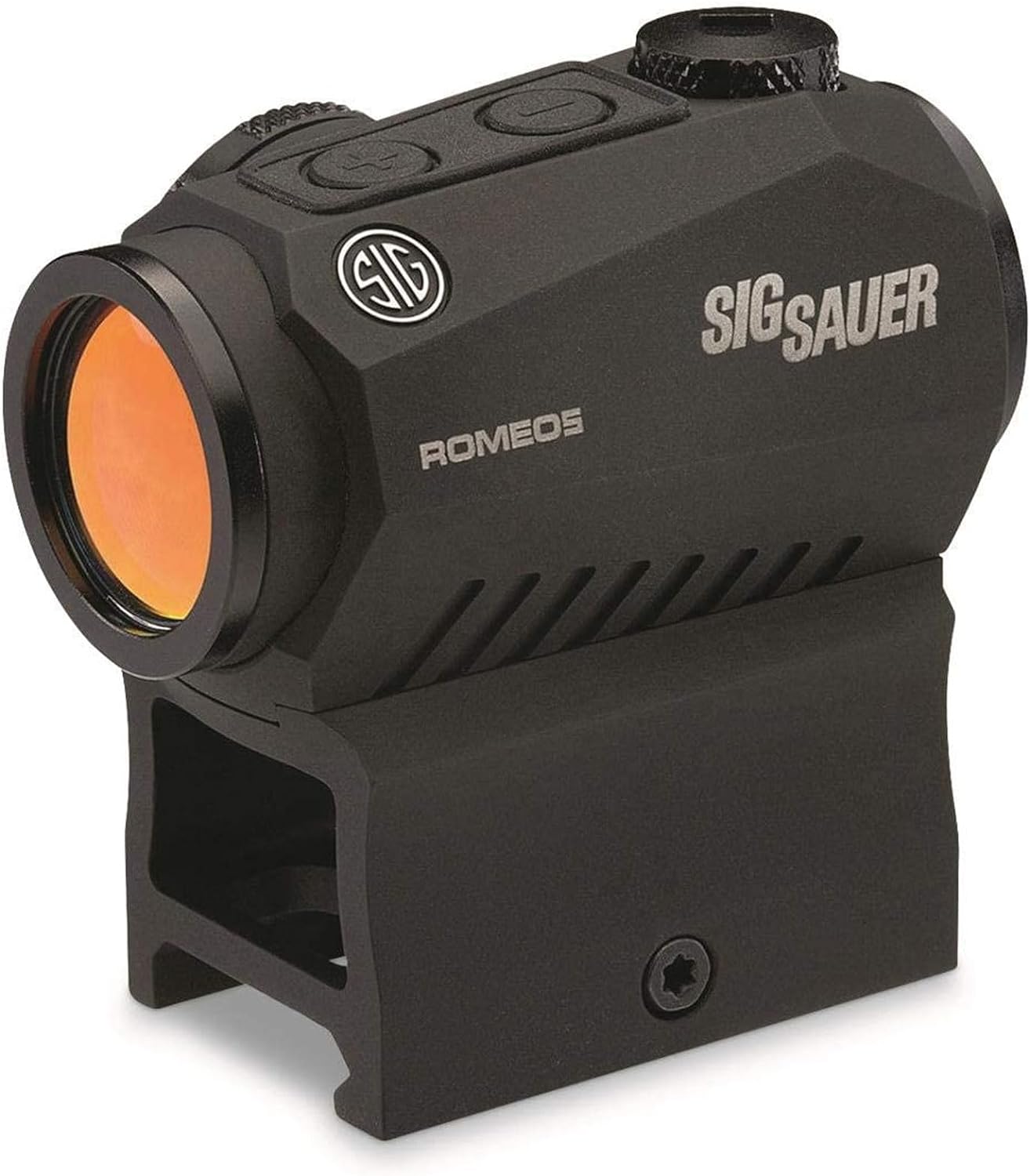
The Romeo5 is one of the best budget-friendly optics that still performs reliably on a PCC.
Specs:
- 2 MOA dot
- MOTAC motion activation
- 50,000-hour battery life
- Compact micro design
Pros:
- Affordable
- Lightweight
- Auto-on feature
Cons:
- Smaller window
- Buttons slightly stiff with gloves
My hands-on notes: Despite its size, the Romeo5 holds zero very well on the CZ 995TS. Parallax is noticeable at extreme off-axis angles, but not in practical shooting. Co-witness works perfectly with the included riser, though the small window can slow acquisition slightly under stress.
What people say online: It’s widely recommended as the best entry-level red dot, especially for range use and casual defense setups.
Mounting clarity: Includes both low and high mounts—direct rail installation.
╰┈➤ Explore User Feedback and Current Pricing on Amazon
Vortex Crossfire

The Vortex Crossfire offers a solid balance between cost and ruggedness.
Specs:
- 2 MOA dot
- 11 brightness settings
- 50,000-hour battery life
- Waterproof and shockproof
Pros:
- Excellent warranty
- Durable construction
- Good brightness range
Cons:
- Slight lens tint
- Battery cap requires coin
My hands-on notes: On the CZ 995TS, the Crossfire handles recoil surprisingly well. The glass has a slight bluish tint, but clarity remains acceptable. Parallax is controlled decently, though not at Aimpoint levels. Co-witness alignment is consistent with the included mount.
What people say online: Shooters appreciate the lifetime warranty and reliability for the price.
Mounting clarity: Comes with a Picatinny mount—simple install.
╰┈➤ Explore User Feedback and Current Pricing on Amazon
Primary Arms SLX MD-25
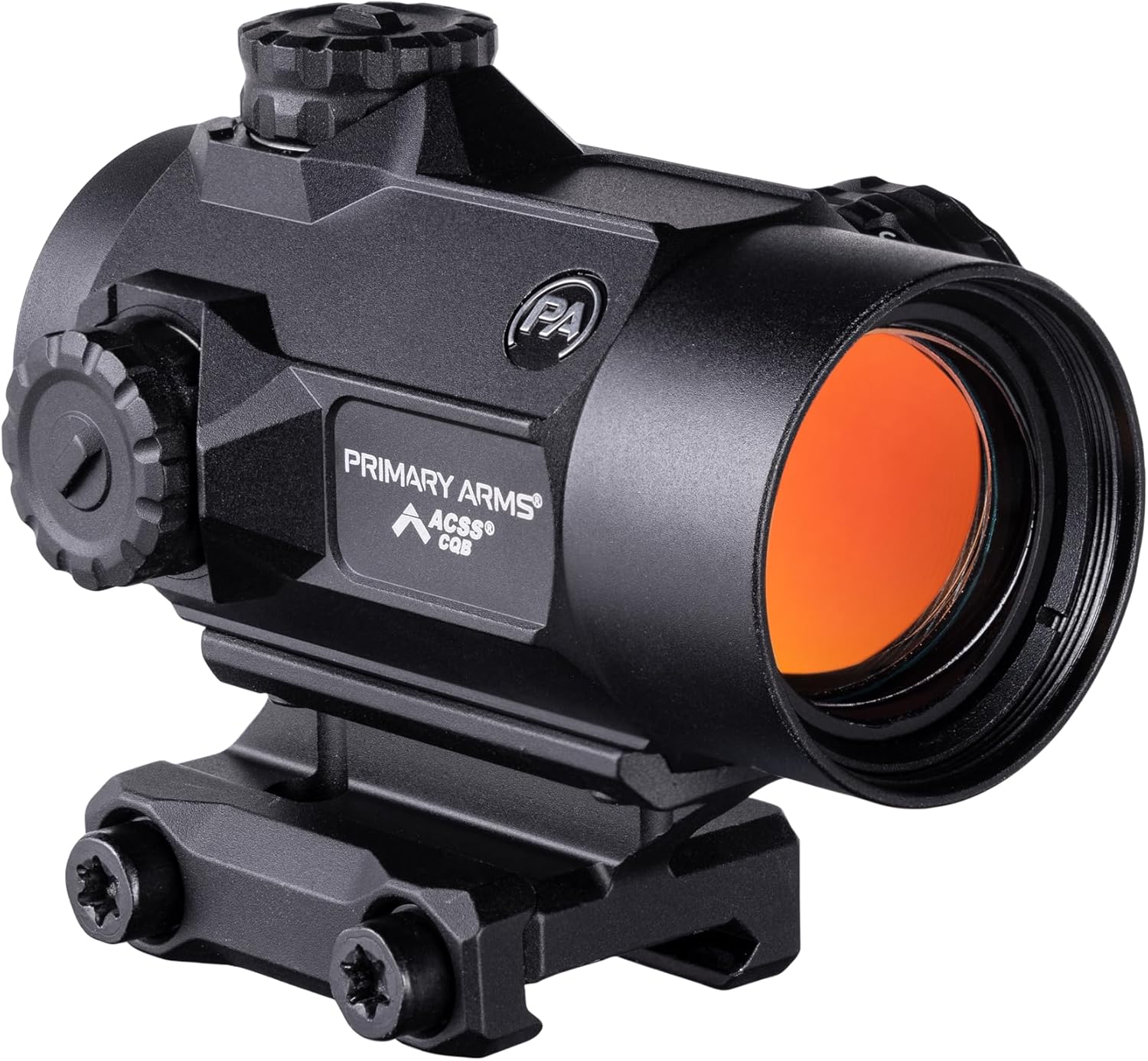
The SLX MD-25 gives you a larger objective lens without jumping to full-size optics.
Specs:
- 2 MOA dot
- 25mm objective lens
- 50,000-hour battery
- AutoLive motion sensing
Pros:
- Larger sight window
- Strong battery life
- Good value
Cons:
- Slightly heavier than micro dots
- Button placement could be better
My hands-on notes: This optic shines on the CZ 995TS due to its larger window. It feels faster than micro dots without the bulk of a full tube optic. Parallax is minimal, and co-witness works well depending on mount height. Controls are usable but less tactile with gloves.
What people say online: Users often compare it favorably to more expensive optics in terms of performance.
Mounting clarity: Direct Picatinny mount with included riser system.
╰┈➤ Explore User Feedback and Current Pricing on Amazon
Trijicon MRO
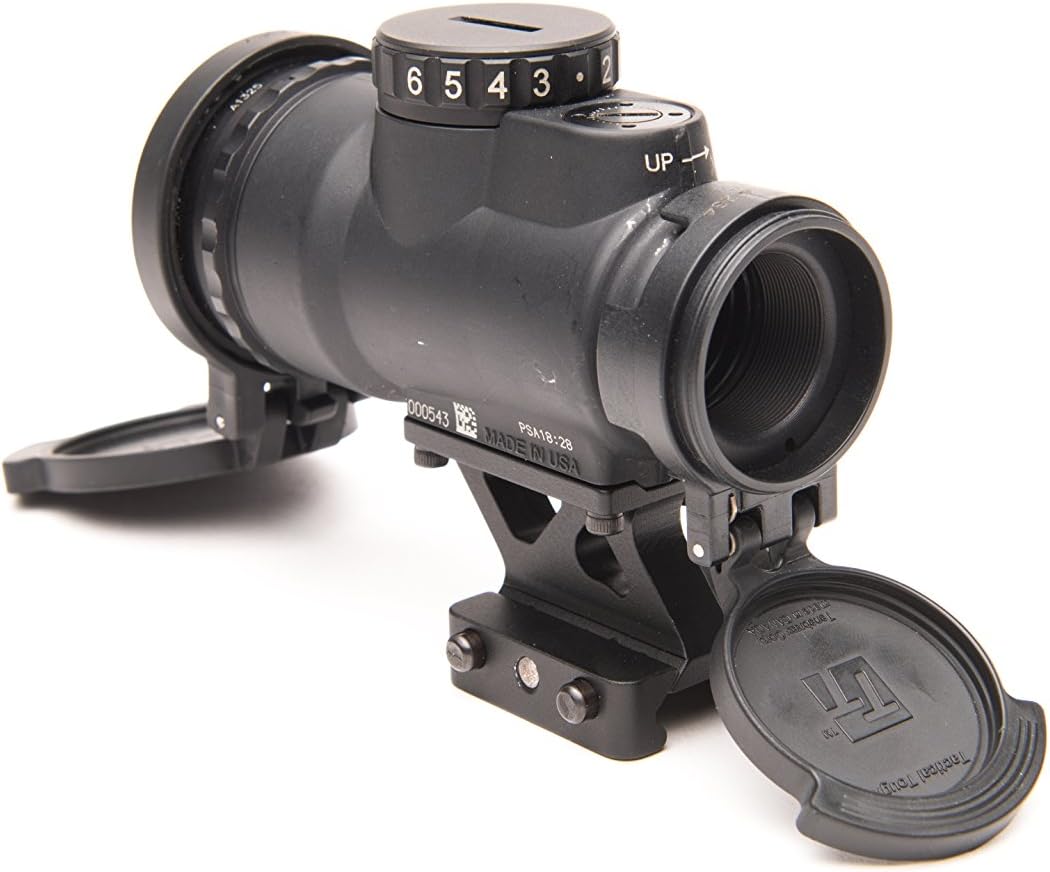
The Trijicon MRO is a premium optic designed for fast acquisition and rugged use.
Specs:
- 2 MOA dot
- 25mm objective lens
- 5-year battery life
- Fully sealed housing
Pros:
- Wide field of view
- Exceptional durability
- Crisp dot
Cons:
- Slight magnification effect
- Premium price
My hands-on notes: Mounted on the CZ 995TS, the MRO delivers a very open sight picture. There is a slight magnification effect that some shooters notice, but it doesn’t hinder performance. Parallax is well controlled, and co-witness setup depends on mount selection.
What people say online: Highly regarded for durability and clarity, though some debate the slight optical distortion.
Mounting clarity: Requires a separate mount—compatible with standard Picatinny bases.
╰┈➤ Explore User Feedback and Current Pricing on Amazon
How I Tested / Evaluation Criteria
Parallax: I tested each optic by shifting head position at 15–50 meters. The best performers maintained dot stability with minimal perceived drift. Poorer optics showed noticeable deviation when shooting off-axis.
Co-witness / Deck Height: I evaluated how naturally each optic aligned with backup sights. Proper deck height reduces neck strain and improves repeatability during rapid fire.
Durability: Each optic was subjected to repeated recoil cycles on a blowback system. I paid attention to zero retention and housing integrity after extended sessions.
Battery: Battery life claims were compared with real-world standby performance. Optics with motion activation had a clear advantage in long-term readiness.
Brightness Range: I tested visibility in bright daylight and low-light indoor settings. Overly dim or excessively blooming dots were penalized.
Glass Quality: Lens clarity, tint, and distortion were examined. Blue or green tint is common, but excessive coloration affects target identification.
Controls Ergonomics: Button placement and tactile feedback were tested with and without gloves. Some optics struggle here more than expected.
Mounting Ecosystem: Compatibility with Picatinny rails and riser options was critical. The CZ 995TS benefits from flexible mounting height.
How to Choose the Right Red Dot for This Gun
Choosing the right optic for the CZ 995TS comes down to understanding how this platform behaves differently from standard rifles. The blowback system produces a sharper recoil impulse, which can expose weaknesses in cheaper optics—especially in emitter stability and battery contact design.
Window size is one of the first decisions you should make. Larger windows like the HOLOSUN 510C or Trijicon MRO allow faster target acquisition, especially in dynamic shooting scenarios. However, they also increase bulk. If you prefer a lightweight setup, micro dots like the Romeo5 are still viable but require more precise alignment.
Next is mounting height. The CZ 995TS has a straight-line stock design, so achieving a comfortable cheek weld depends heavily on optic height. A lower 1/3 co-witness is generally ideal, giving you a natural head position without cluttering the sight picture.
Durability should not be underestimated. Even if you’re not running high round counts, the recoil impulse of this platform can loosen poorly built optics over time. Look for sealed housings, solid battery compartments, and proven recoil ratings.
Brightness control also matters more than people think. An overly bright dot can bloom and obscure your target, especially indoors. A wide brightness range ensures usability in all conditions.
Finally, consider the mounting ecosystem. Optics that include a solid Picatinny mount simplify installation and reduce compatibility issues.
FAQs
1. Do I need a special mount for the CZ 995TS? No, it uses a standard Picatinny rail, so most rifle red dots mount directly.
2. Are pistol red dots suitable for this platform? They can work, but rifle optics are generally more durable and better suited.
3. What dot size is best? A 2 MOA dot offers the best balance between precision and speed.
4. Is co-witness necessary? Not required, but it adds redundancy and improves confidence.
5. Open vs closed emitter—what’s better? Closed emitters are more durable, but open emitters often provide larger windows.
Conclusion
After extensive testing, the Best Red Dot for CZ 995ts ultimately depends on your priorities—whether that’s speed, durability, or budget. For most users, the HOLOSUN 510C offers the best balance of performance and value, while the Aimpoint PRO remains the gold standard for reliability. Whatever you choose, ensuring proper mounting and understanding your optic’s strengths will make the biggest difference in real-world performance.