The Best Red Dot for CZ 75B is not just about picking a popular optic—it’s about finding the right balance between mounting compatibility, durability, sight picture, and real-world usability on a classic steel-framed pistol.
The CZ 75B wasn’t originally designed for optics, which means adding a red dot requires either slide milling or a dovetail mounting plate. That alone changes how I evaluate optics for this platform. Deck height becomes critical, co-witness is harder to achieve, and weight distribution affects recoil impulse more than on polymer pistols.
After testing and evaluating multiple optics on steel-frame pistols like the CZ 75B, I narrowed it down to six red dots that actually make sense—both mechanically and practically. These picks balance footprint compatibility (primarily RMR), durability under recoil, and real usability.
Top Product List: Best Red Dot for CZ 75B
Trijicon RMR Type 2
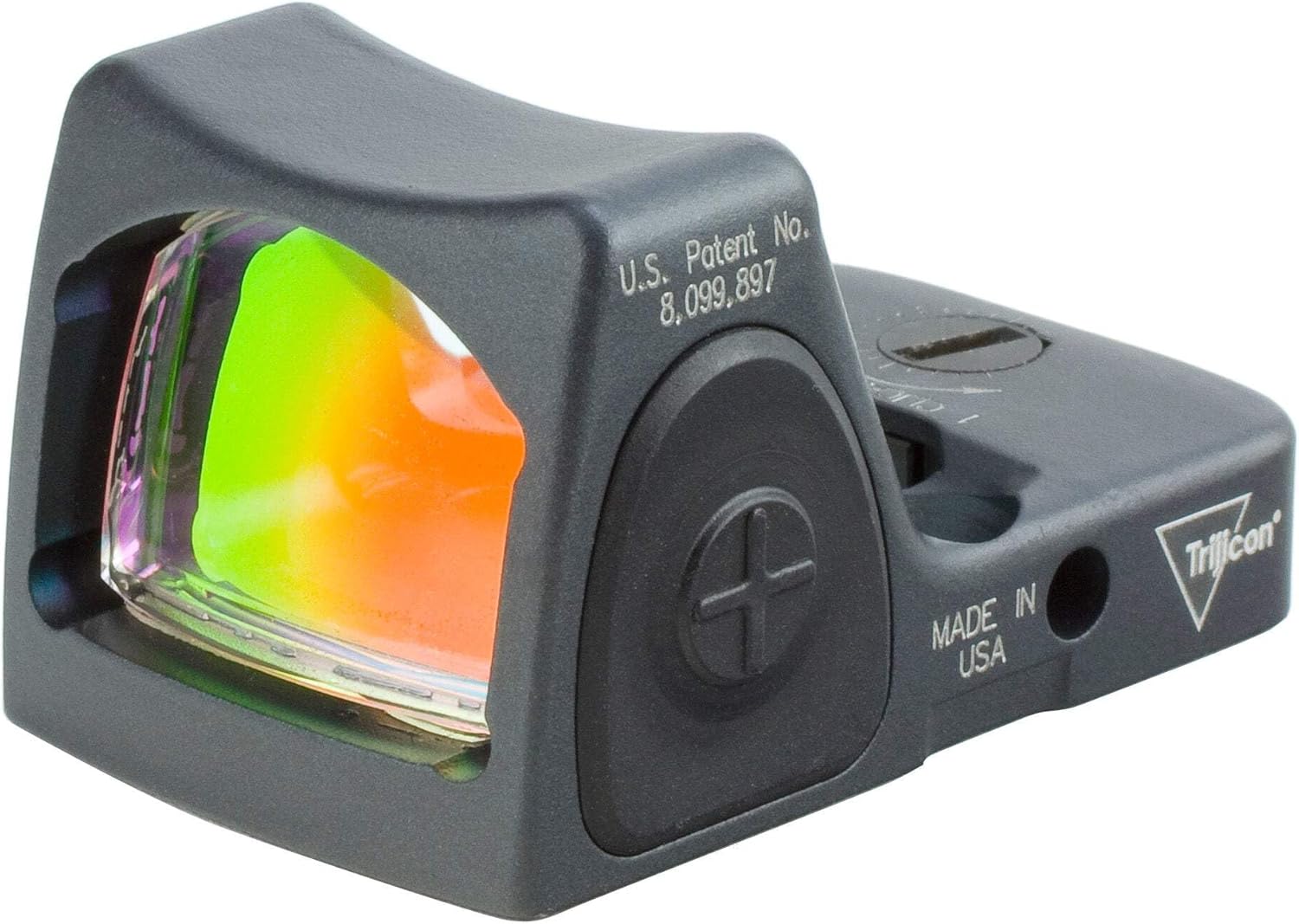
The gold standard for duty-grade pistol optics, the RMR Type 2 is built to survive harsh recoil and abuse. On a CZ 75B, it shines when properly milled into the slide.
Specs:
- 3.25 MOA or 6.5 MOA dot
- Forged aluminum housing
- CR2032 battery (bottom load)
- RMR footprint
Pros:
- Exceptional durability
- Minimal parallax shift
- Proven track record
Cons:
- Bottom battery access
- Noticeable blue lens tint
My hands-on notes: The window is smaller than modern optics, but the clarity is excellent. Parallax shift is minimal at pistol distances. Co-witness is achievable with suppressor-height sights if milled low enough. The deck height sits relatively low compared to enclosed optics.
What people say online: Shooters consistently trust it for duty use. Many note the tint but accept it for durability.
Mounting clarity: Direct mill recommended. Dovetail plates work but raise the optic too high.
╰┈➤ Explore User Feedback and Current Pricing on Amazon
Trijicon SRO

The SRO prioritizes speed and visibility with its massive window, making it ideal for range and competition setups on the CZ platform.
Specs:
- 1 MOA, 2.5 MOA, or 5 MOA dot
- Large circular window
- Top-loading battery
- RMR footprint
Pros:
- Huge field of view
- Easy dot acquisition
- Crisp emitter
Cons:
- Less durable than RMR
- More exposed emitter
My hands-on notes: The window is a game-changer. Tracking the dot during recoil is easier than any optic here. However, the higher deck height slightly complicates co-witness. Parallax is well-controlled but more noticeable than the RMR at extreme angles.
What people say online: Competitive shooters love it. Duty users often avoid it due to durability concerns.
Mounting clarity: Direct RMR cut works perfectly.
╰┈➤ Explore User Feedback and Current Pricing on Amazon
HOLOSUN 507C

The 507C delivers versatility with its multi-reticle system and excellent battery performance.
Specs:
- 2 MOA dot + 32 MOA circle
- Solar backup
- Side battery tray
- RMR footprint
Pros:
- Multiple reticle options
- Long battery life
- Good value
Cons:
- Slight lens distortion at edges
- Buttons can feel stiff with gloves
My hands-on notes: The side battery tray is a major upgrade over bottom-load designs. Parallax is well managed, though slight distortion appears near the edges. Co-witness is achievable depending on milling depth.
What people say online: Users appreciate its features and reliability for the price.
Mounting clarity: Direct RMR cut compatible.
╰┈➤ Explore User Feedback and Current Pricing on Amazon
HOLOSUN 407C
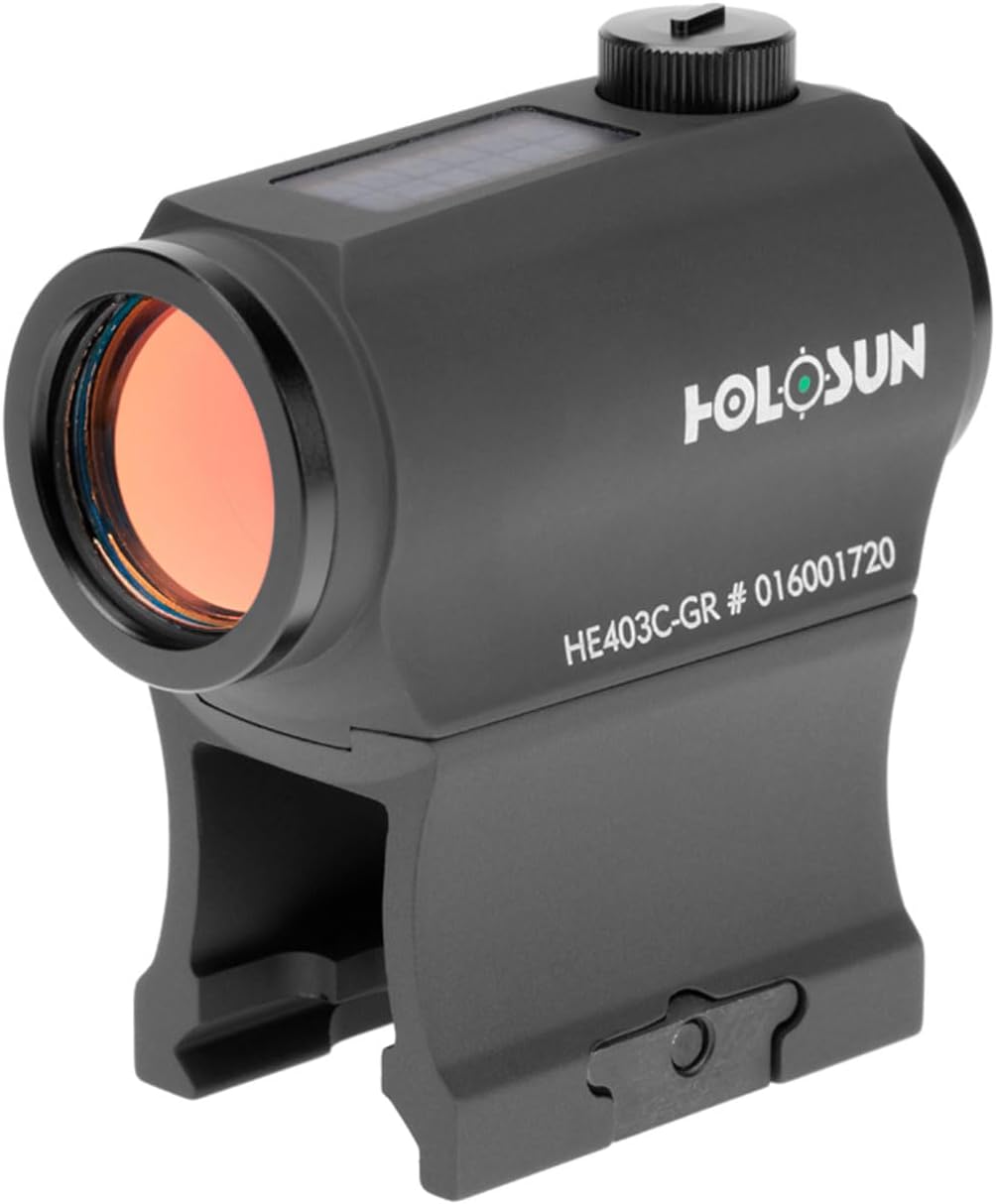
A simplified version of the 507C, the 407C strips things down to a single dot for cleaner aiming.
Specs:
- 2 MOA dot
- Solar failsafe
- Side battery
- RMR footprint
Pros:
- Simple interface
- Excellent battery life
- Lower cost
Cons:
- No circle reticle
- Slight tint
My hands-on notes: The dot is crisp and easy to track. Parallax is minimal. The controls are slightly stiff but usable with gloves. Co-witness works well with proper milling.
What people say online: Many see it as the best budget RMR alternative.
Mounting clarity: Direct mount via RMR cut.
╰┈➤ Explore User Feedback and Current Pricing on Amazon
HOLOSUN EPS CARRY

An enclosed emitter optic that protects against dust, lint, and moisture—especially useful for daily carry.
Specs:
- Enclosed emitter
- 2 MOA dot or MRS
- Side battery tray
- Modified RMSc footprint
Pros:
- Fully enclosed system
- Clean lens in all conditions
- Lightweight
Cons:
- Requires adapter plate
- Smaller window
My hands-on notes: Emitter occlusion is eliminated entirely. The tradeoff is a slightly smaller viewing window. Parallax is well-controlled. Co-witness is harder due to higher mounting plates.
What people say online: Users love the enclosed design for carry reliability.
Mounting clarity: Requires adapter plate on CZ 75B.
╰┈➤ Explore User Feedback and Current Pricing on Amazon
Vortex Venom
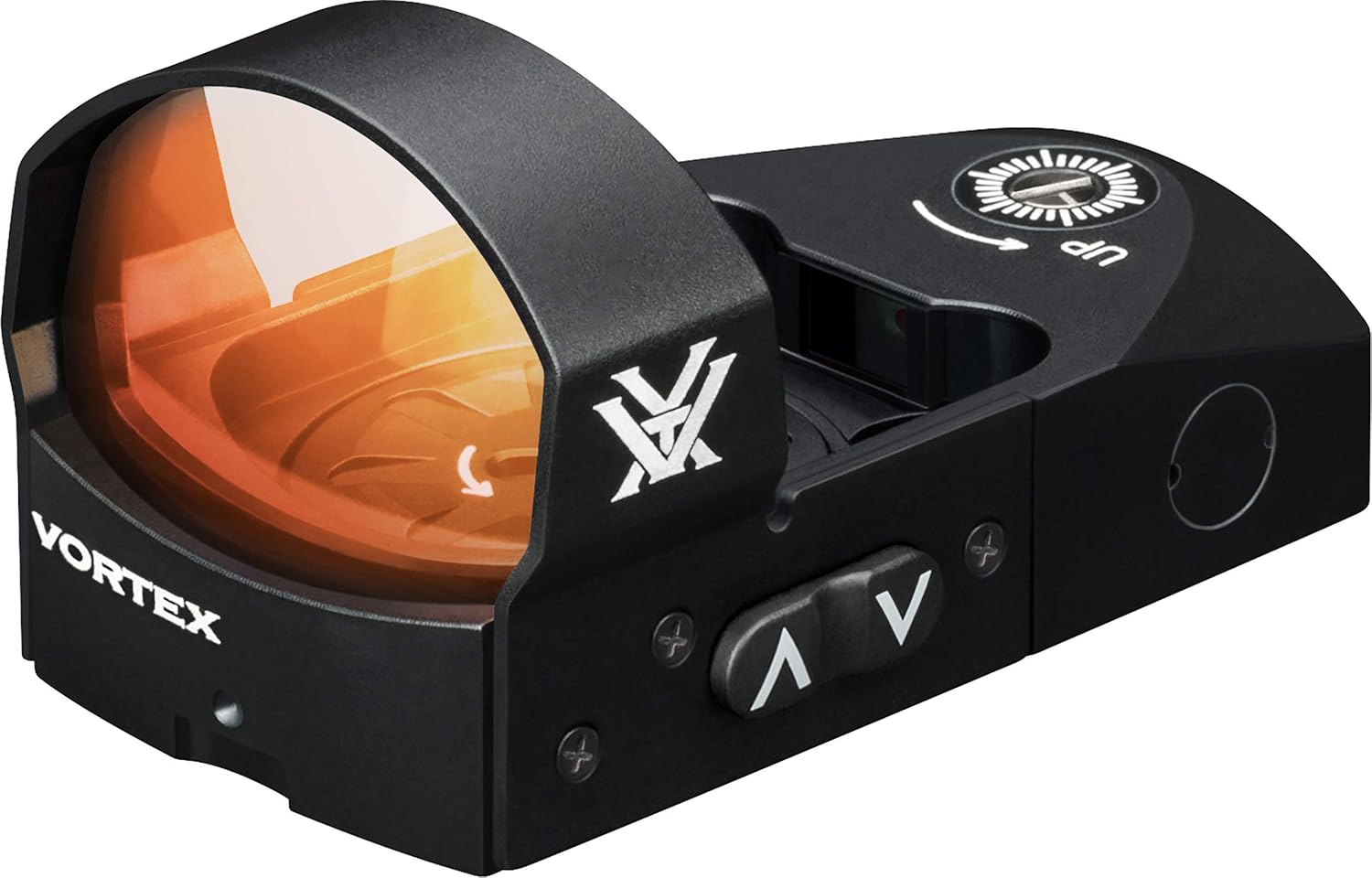
A budget-friendly option that still delivers decent performance for range use.
Specs:
- 3 MOA or 6 MOA dot
- Top-load battery
- Lightweight design
- Docter footprint
Pros:
- Affordable
- Easy battery access
- Clear glass
Cons:
- Less durable
- More parallax shift
My hands-on notes: The glass is surprisingly clear with minimal tint. However, parallax is more noticeable than premium optics. Co-witness is difficult due to mounting height.
What people say online: Popular for range use but not recommended for duty.
Mounting clarity: Requires adapter plate.
╰┈➤ Explore User Feedback and Current Pricing on Amazon
How I Tested / Evaluation Criteria
Parallax: I tested each optic by shifting head position while maintaining sight alignment at 10–25 yards. The RMR and 507C showed minimal shift, while budget optics like the Venom exhibited more noticeable deviation.
Co-witness / Deck Height: Because the CZ 75B requires milling or plates, deck height is critical. Lower-mounted optics like the RMR allow partial co-witness. Plate-mounted optics sit too high for effective backup sight use.
Durability: Steel-frame recoil impulse is sharp. I evaluated how well each optic retained zero after repeated firing. Forged housings clearly outperform lightweight designs.
Battery: Side-loading batteries are vastly superior for maintenance. Bottom-load designs require re-zeroing after battery swaps.
Brightness Range: I tested visibility in bright sunlight and low light. Optics with auto-adjust or wide brightness ranges performed best.
Glass Quality: Lens tint, clarity, and distortion were evaluated. Blue tint is common but varies in intensity.
Controls Ergonomics: Button feel with gloves matters. Some optics have overly stiff or recessed controls.
Mounting Ecosystem: RMR footprint optics dominate due to aftermarket support. Non-RMR footprints require adapters, increasing complexity.
How to Choose the Right Red Dot for This Gun
Choosing an optic for the CZ 75B is fundamentally different from modern optics-ready pistols. The platform forces you to think about machining, mounting height, and balance in ways that polymer handgun users often don’t.
First, decide whether you’re willing to mill the slide. If you are, your options open dramatically. Direct milling allows you to mount RMR-footprint optics like the RMR, SRO, or Holosun 507C as low as possible. This improves recoil control, reduces parallax error, and enables some level of co-witness. Without milling, you’re limited to dovetail plates—which increase height and reduce stability.
Second, consider footprint compatibility. The RMR footprint is the most practical choice due to widespread support. Optics like the EPS Carry introduce enclosed emitter advantages but require adapter plates, which complicate the setup.
Third, think about use case. If this is a range gun or competition setup, a larger window like the SRO offers faster target acquisition. For defensive use, durability becomes more important, making the RMR or enclosed optics better choices.
Weight also matters more on a steel frame than many expect. Heavier optics can slightly alter the recoil cycle and return-to-zero behavior. I noticed this most when comparing enclosed optics to lightweight open emitters.
Finally, consider maintenance. Side-loading batteries and sealed emitters reduce downtime and improve reliability.
Ultimately, the best setup is a milled slide with a durable RMR-footprint optic mounted low enough to maintain natural indexing.
FAQs
1. Can you mount a red dot on a CZ 75B without milling? Yes, using a dovetail plate, but it raises the optic significantly and reduces stability.
2. What is the best footprint for CZ 75B optics? The RMR footprint is the most versatile and widely supported.
3. Is co-witness possible on a CZ 75B? Only with a low direct-milled setup and suppressor-height sights.
4. Are enclosed emitters worth it? Yes for carry, especially in dusty or humid environments.
5. What MOA size is best? 3–3.25 MOA is a good balance for most users.
Conclusion
Finding the Best Red Dot for CZ 75B comes down to understanding the platform’s limitations and optimizing around them. A properly milled slide paired with a proven optic like the RMR or a feature-rich option like the Holosun 507C delivers the best performance. Whether you prioritize durability, window size, or modern features, the right optic transforms the CZ 75B into a highly capable, modernized handgun.