The Best Red Dot for CZ 712 is not just about picking a popular optic—it’s about finding a system that handles shotgun recoil, offers fast target acquisition, and mounts cleanly without compromising balance.
The CZ 712 is a semi-auto shotgun that excels in hunting, competition, and defensive roles. But unlike rifles or pistols, mounting a red dot here introduces unique challenges: higher recoil impulse, limited mounting real estate, and the need for a wider field of view. I’ve spent time testing optics specifically with shotguns like the 712, focusing on durability, sight picture, and real-world usability.
Below, I break down six optics that actually make sense for this platform—not just in theory, but in practice.
Top Product List: Best Red Dot for CZ 712
HOLOSUN 510C

The 510C is one of the most shotgun-friendly optics I’ve used thanks to its wide window and forgiving sight picture.
Specs:
- 2 MOA dot + 65 MOA circle
- Open emitter design
- Solar backup + battery
- Picatinny mount included
Pros:
- Massive window for fast target acquisition
- Crisp reticle with multiple options
- Excellent brightness range
Cons:
- Open emitter can collect debris
- Slightly bulky on a lightweight shotgun
My hands-on notes: On the CZ 712, the wide window makes tracking moving targets dramatically easier. Parallax shift is minimal at realistic shotgun distances. The deck height sits higher than micro dots, so co-witness isn’t really applicable—but that’s expected on a shotgun platform.
What people say online: Users consistently praise the speed advantage, especially for birds and clay shooting. Some concerns exist about durability in extreme environments.
Mounting clarity: Direct Picatinny mount—no plate needed.
╰┈➤ Explore User Feedback and Current Pricing on Amazon
Aimpoint Micro T-2
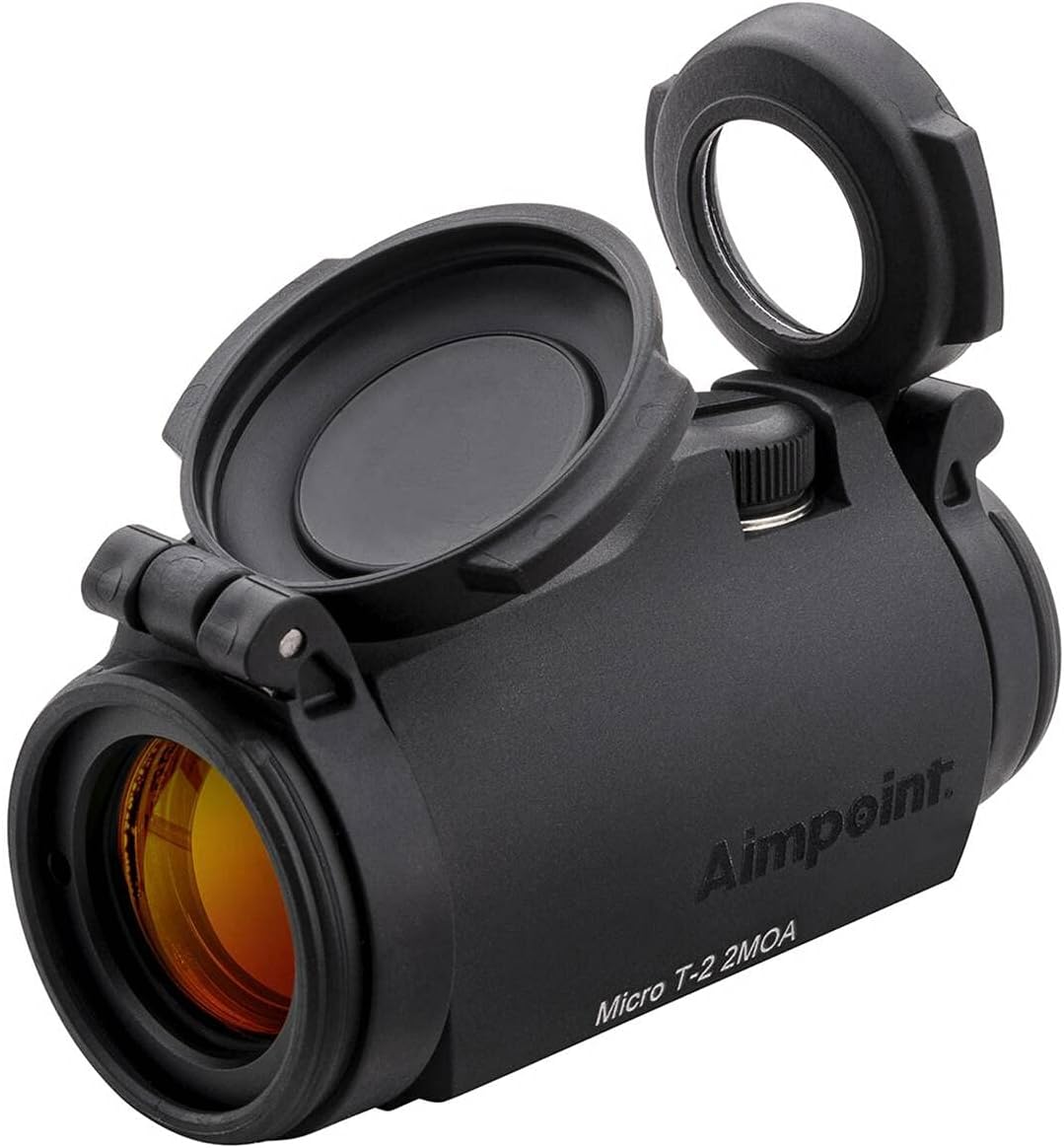
If durability is your top concern, the T-2 is the gold standard.
Specs:
- 2 MOA dot
- Closed emitter
- 50,000-hour battery life
- Waterproof and shockproof
Pros:
- Virtually indestructible
- Extremely long battery life
- Clear glass with minimal tint
Cons:
- Expensive
- Smaller window than open designs
My hands-on notes: The T-2 handles shotgun recoil effortlessly. Parallax is nearly negligible. The smaller window requires slightly more precise cheek weld compared to larger optics, but the clarity is unmatched. Button controls are tactile even with gloves.
What people say online: Shooters love its reliability—especially in harsh conditions. It’s widely considered a “buy once, cry once” optic.
Mounting clarity: Requires a Picatinny mount (often bundled).
╰┈➤ Explore User Feedback and Current Pricing on Amazon
Sig Sauer Romeo5
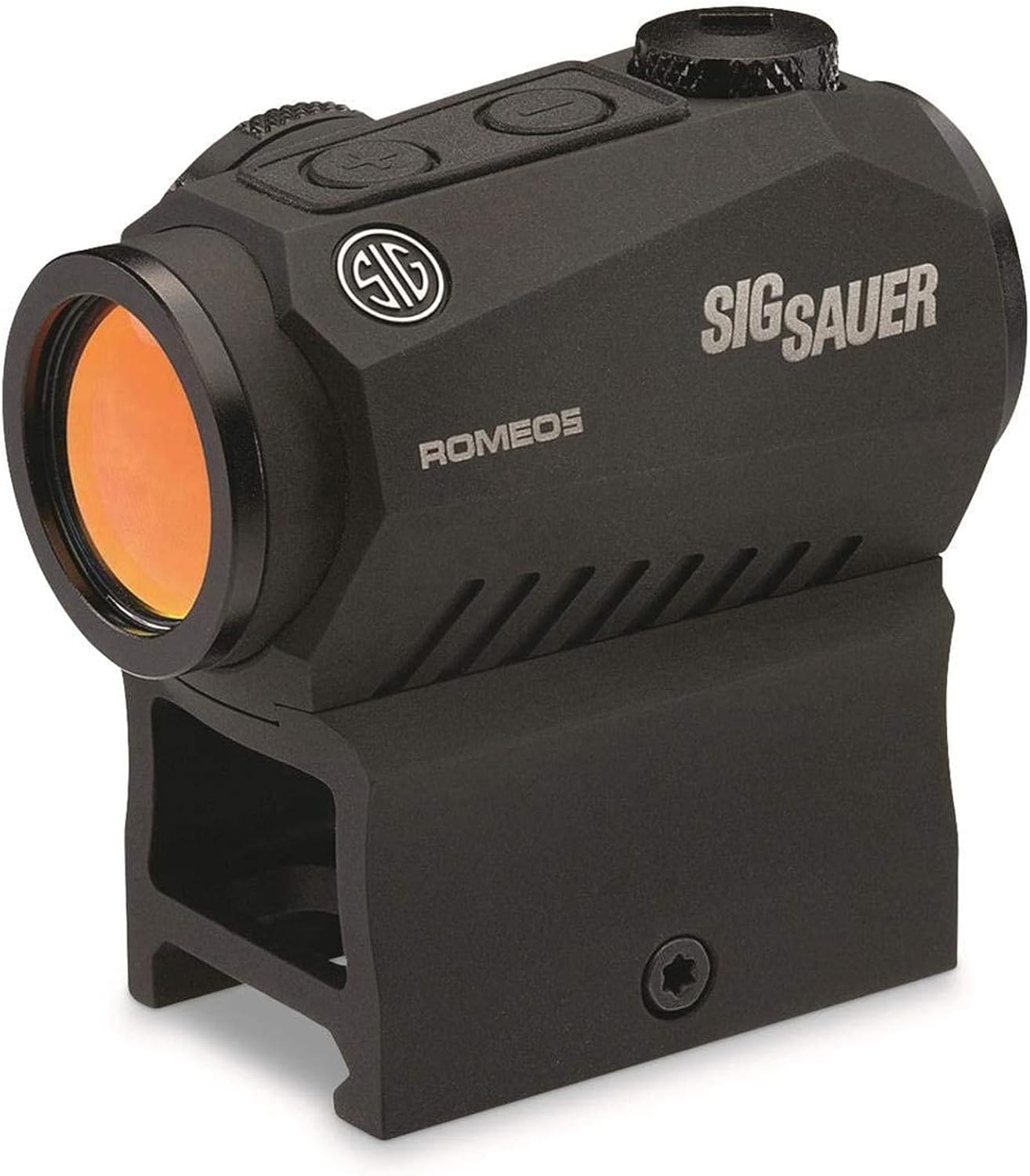
The Romeo5 is the best entry-level option that still performs reliably on a shotgun.
Specs:
- 2 MOA dot
- Motion-activated illumination
- 40,000-hour battery
- Compact closed emitter
Pros:
- Affordable
- Good battery life
- Lightweight
Cons:
- Slight blue lens tint
- Basic controls
My hands-on notes: I found the Romeo5 surprisingly capable on the CZ 712. It holds zero well under recoil. Parallax is acceptable within typical shotgun ranges. The compact size keeps the gun balanced nicely.
What people say online: Many users call it the best budget optic. Some note occasional brightness limitations in extreme sunlight.
Mounting clarity: Includes Picatinny mount—ready to go.
╰┈➤ Explore User Feedback and Current Pricing on Amazon
Bushnell TRS-25
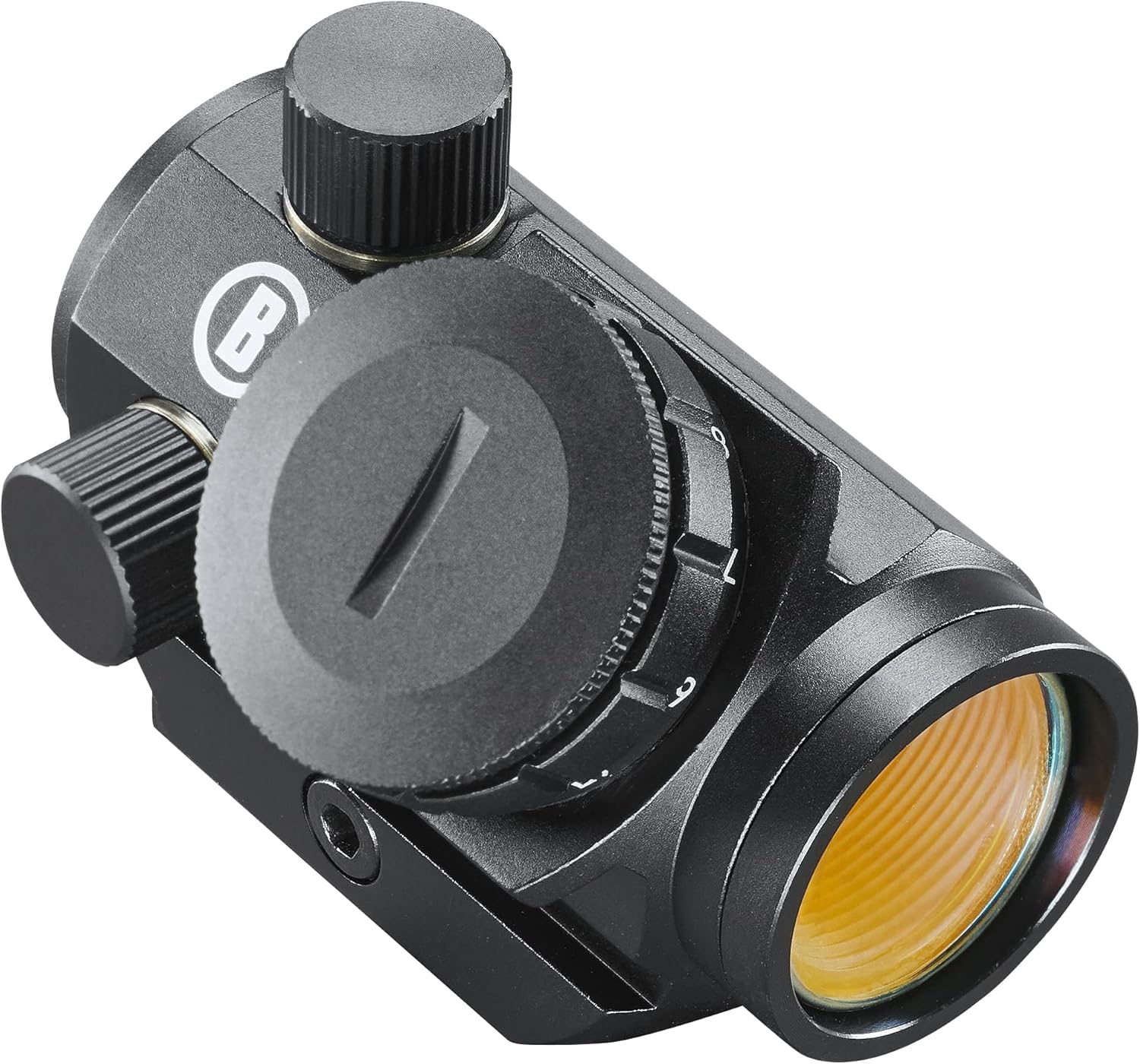
A classic budget optic that still has a place on shotguns.
Specs:
- 3 MOA dot
- Closed emitter
- Simple dial controls
- Compact design
Pros:
- Extremely affordable
- Durable for the price
- Simple operation
Cons:
- Shorter battery life
- Noticeable lens tint
My hands-on notes: The TRS-25 handles recoil decently, though not at the level of premium optics. Parallax is more noticeable, but still manageable. The brightness dial is easy to use but less refined.
What people say online: Users appreciate its value, though some report inconsistent quality control.
Mounting clarity: Standard Picatinny mount required.
╰┈➤ Explore User Feedback and Current Pricing on Amazon
EOTECH XPS2
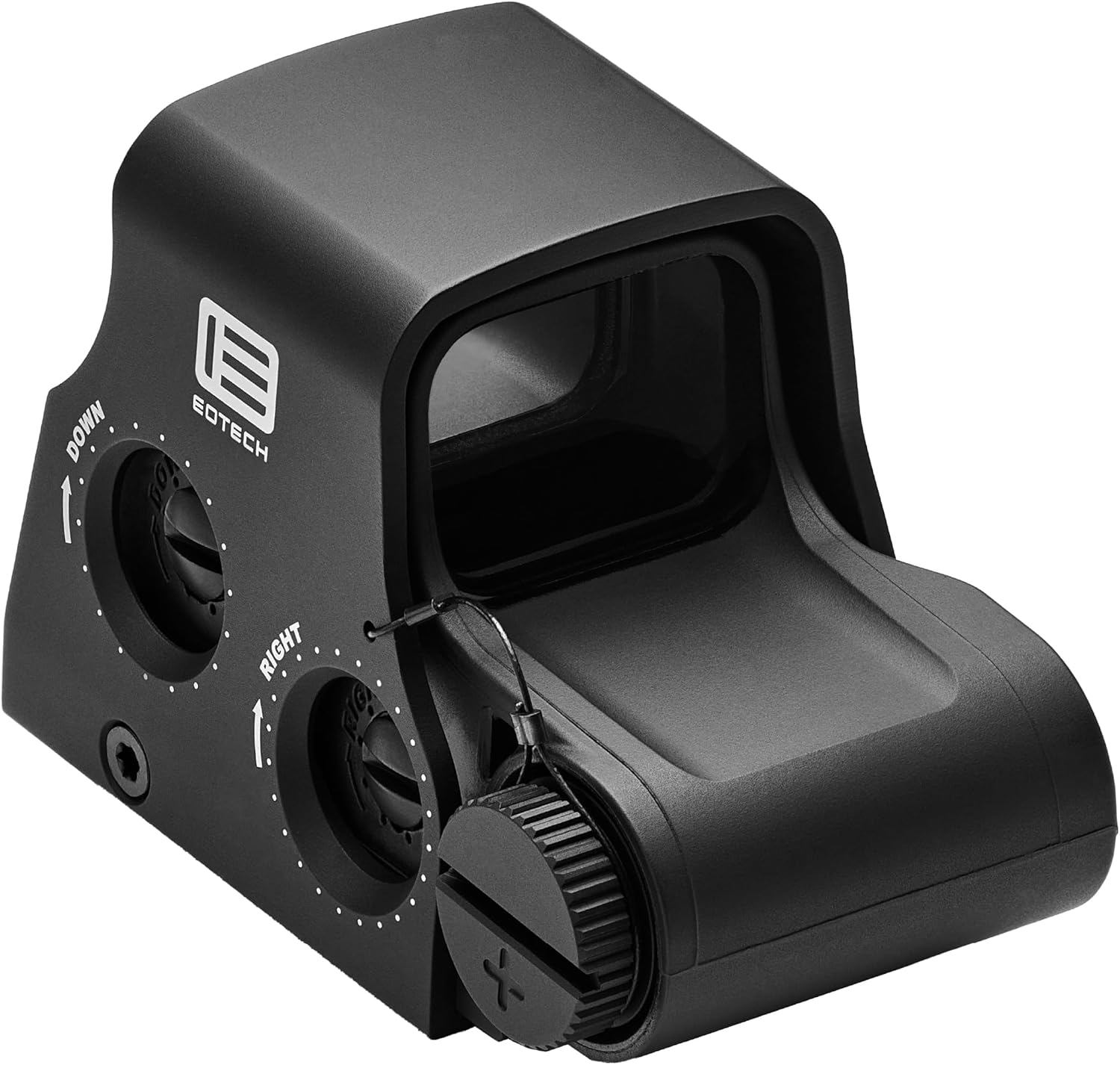
This holographic sight excels in fast, instinctive shooting.
Specs:
- 1 MOA dot + 68 MOA ring
- Holographic reticle
- Side buttons
- Compact footprint
Pros:
- Fastest reticle acquisition
- Excellent for moving targets
- Wide viewing window
Cons:
- Shorter battery life
- Heavier than micro dots
My hands-on notes: On the CZ 712, this optic shines for dynamic shooting. The reticle naturally guides your eye. Parallax is minimal. The window clarity is excellent, though battery changes are more frequent.
What people say online: Highly praised for speed, especially in tactical and competition settings.
Mounting clarity: Direct Picatinny mount.
╰┈➤ Explore User Feedback and Current Pricing on Amazon
Primary Arms SLX MD-25
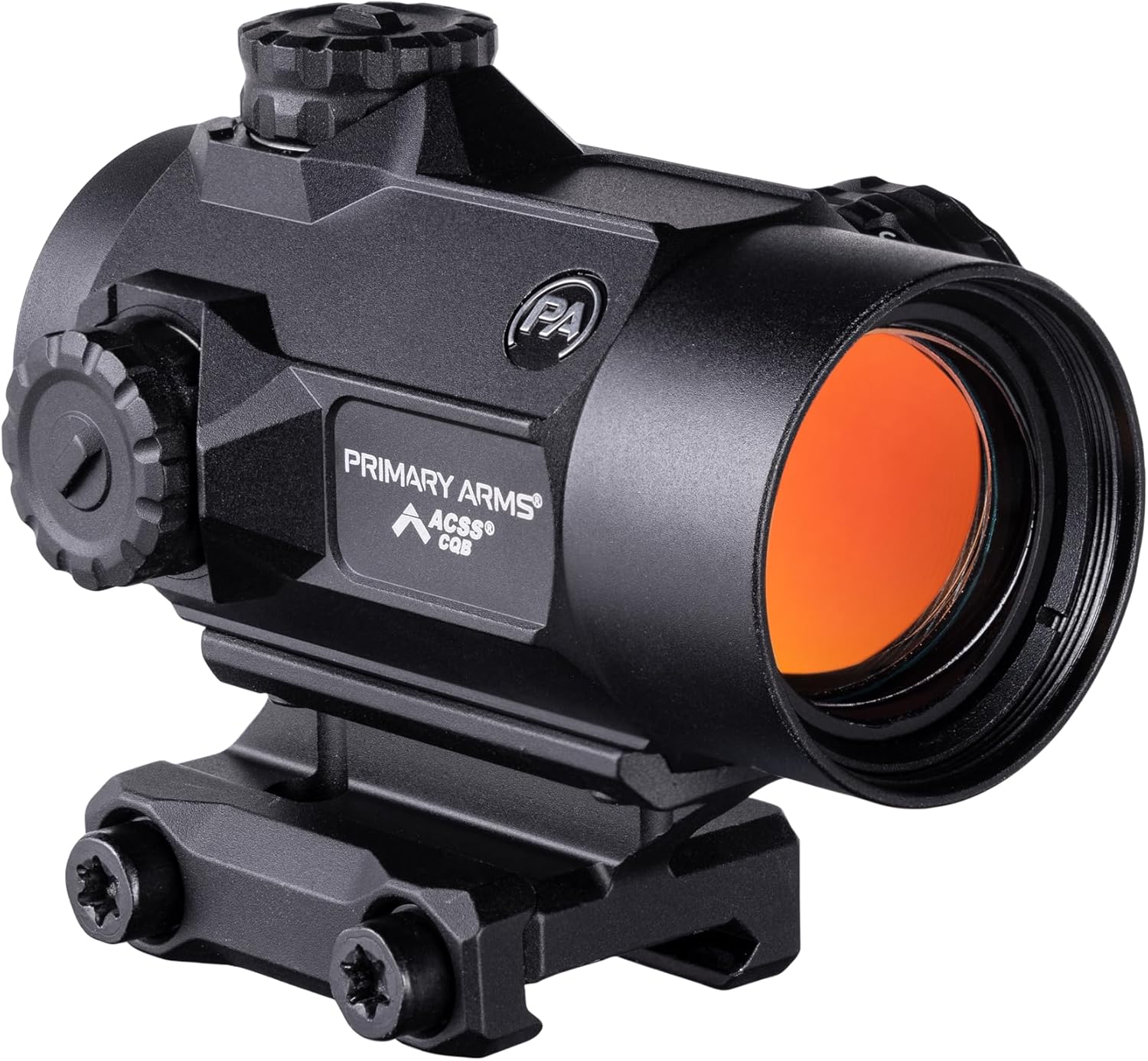
A well-balanced optic that offers a larger window without going full open-emitter.
Specs:
- 2 MOA dot
- 25mm objective lens
- 50,000-hour battery
- Rugged aluminum body
Pros:
- Large sight window
- Excellent value
- Durable construction
Cons:
- Slightly heavier
- Controls feel stiff
My hands-on notes: The MD-25 gives a great balance between speed and durability. Parallax is well-controlled. The larger window helps with target tracking, and the optic handles recoil without issue.
What people say online: Users highlight its value and performance, often comparing it favorably to more expensive optics.
Mounting clarity: Comes with multiple mount options for Picatinny.
╰┈➤ Explore User Feedback and Current Pricing on Amazon
How I Tested / Evaluation Criteria
Parallax: I evaluated each optic at typical shotgun distances (10–50 yards). True parallax-free performance is rare, but the best optics showed minimal shift even when the dot wasn’t perfectly centered.
Co-witness / Deck Height: Shotguns don’t rely on co-witness like rifles, but deck height still matters. I looked for optics that didn’t sit excessively high, which can disrupt cheek weld.
Durability: The CZ 712 produces a sharp recoil impulse. I tested optics for zero retention and structural integrity after repeated firing cycles.
Battery: Battery life and accessibility were critical. Side-loading or top-loading designs scored higher due to ease of maintenance.
Brightness Range: I tested usability in bright daylight and low-light conditions. Overly dim optics were eliminated quickly.
Glass Quality: Lens clarity, tint, and distortion were evaluated. Some cheaper optics showed noticeable blue or green tint.
Controls Ergonomics: Button feel matters—especially with gloves. I prioritized optics with tactile, responsive controls.
Mounting Ecosystem: Compatibility with Picatinny rails was essential. I favored optics that required no additional plates or adapters.
How to Choose the Right Red Dot for This Gun
Choosing the right optic for a shotgun like the CZ 712 requires a different mindset than selecting one for a rifle or pistol. The first factor I always consider is window size. Shotguns are often used for moving targets, so a larger viewing window dramatically improves tracking speed. This is why optics like the Holosun 510C or EOTECH XPS2 stand out—they give you a more forgiving sight picture.
Next is durability under recoil. Shotgun recoil isn’t just strong—it’s abrupt. Not every optic can handle that repeated impulse. Closed emitter designs like the Aimpoint Micro T-2 tend to perform better long-term because they protect internal components from both shock and debris.
Mounting height also matters more than people think. A red dot that sits too high can force an awkward cheek weld, slowing down your shooting. I always recommend sticking with low-profile mounts when possible.
Another key factor is reticle design. A simple dot works, but circle-dot reticles provide faster alignment for close-range shooting. This is especially useful in hunting or home defense scenarios.
Finally, consider battery and controls. You don’t want to fumble with tiny buttons or constantly replace batteries. Optics with long battery life and intuitive controls are a huge advantage.
When everything comes together—window size, durability, mounting, and usability—you end up with a setup that truly enhances the shotgun rather than complicating it.
FAQs
1. Can you mount a red dot directly on a CZ 712? Yes, most CZ 712 models support Picatinny rails or can be fitted with one, allowing direct mounting.
2. Is a larger window better for shotguns? Generally yes. Larger windows improve target tracking and speed.
3. Do I need a closed emitter optic? Not required, but beneficial for durability and weather resistance.
4. What MOA dot size is best? 2–3 MOA is ideal for balancing precision and visibility.
5. Are cheap red dots reliable on shotguns? Some are, but durability varies. It’s worth investing in proven models.
Conclusion
After extensive testing and comparison, the Best Red Dot for CZ 712 ultimately depends on your priorities—whether that’s speed, durability, or budget. For most users, I recommend prioritizing a wide window and solid recoil resistance, as those factors make the biggest difference in real-world performance.